
Why Smart Warehouse Technology Has Become Industry's Secret Weapon
It is well known that speed and accuracy are the heart of competition today, forcing logistics to adapt. Smart Warehouse systems have thus stepped in as a vital key, empowering businesses to manage their inventory intelligently and seamlessly.
What is a Smart Warehouse?
A Smart Warehouse is a warehouse management ecosystem that integrates digital technologies and automated systems to optimize every operational stage—from receiving, storage, and picking to packing and shipping. Its primary objective is to interconnect data across various devices in real time, enabling management to monitor inventory status with higher accuracy, reduce repetitive tasks for personnel, and systematically elevate supply chain operations through data-driven processes.
Which Technologies Drive a Smart Warehouse to Operate Seamlessly?
- Warehouse Management System (WMS Software) – Functions as the operational brain controlling warehouse activities, tracking inventory, managing orders, and alerting real-time status updates.
- Internet of Things (IoT) – Smart sensors interconnected to exchange data, such as real-time temperature and humidity monitoring, ensuring optimal environmental conditions for stored goods.
- Automated Guided Vehicles (AGVs) – Driverless vehicles operating along predefined paths to transfer goods, saving time and easing manual labor for moving heavy loads.
- Automated Storage and Retrieval Systems (AS/RS) – Automated machinery designed to store and retrieve goods from high-density vertical racking with precision, conserving space and cutting search times.
- Scanning Systems and Mobile Devices – Portable tools that allow staff to instantly log data and verify item locations, eliminating errors from traditional paper documentation.
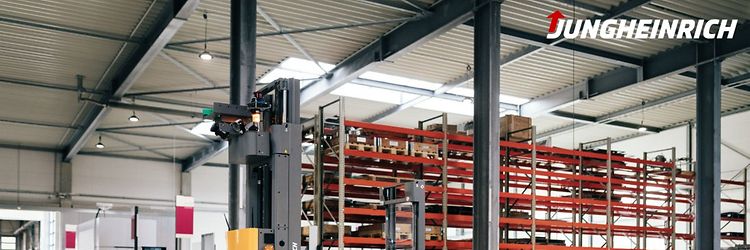
What Are the Business Benefits of Switching to a Smart Warehouse System?
- Increased Operational Speed – Automated systems reduce processing time for goods receiving and dispatching, allowing the warehouse to handle daily order volumes with high flexibility.
- Reduced Data Management Errors – Real-time data updates provide accurate inventory visibility, minimizing stockouts and overstocking issues.
- Maximized Storage Space Utilization – High-density vertical storage technologies optimize usable indoor space, enabling full-capacity inventory storage within the existing footprint.
- Enhanced Customer Satisfaction – Speed and accuracy in order fulfillment shorten delivery cycles, ensuring customers receive correct items on time.
- Cost-Effective Operations Management – Although initial investments in systems and infrastructure are required, reducing downtime, waste, and errors helps control long-term operating expenses effectively.
Which Target Industry Groups Should Accelerate Transformation to Smart Warehouses to Seize Business Opportunities by 2030?
As manufacturing processes transition into the digital era and evolve toward Smart Factories, preparing warehouses to manage large volumes of data and inventory becomes a critical priority for organizations. Here are the key industry sectors that should accelerate their transformation:
What Challenges Must Organizations Prepare to Face When Transforming to a Smart Warehouse?
- Structural and Budgetary Planning: Transformation requires thorough site preparation and equipment readiness. Management must carefully analyze capital expenditure and return on investment (ROI) timelines.
- System Integration and Connectivity: Integrating new software with existing organizational platforms—such as ERP systems or sales channels—requires a clear data architecture to ensure seamless data exchange.
- Workforce Upskilling: Employees need to learn software control systems and collaborate with automation. Organizations must establish clear training plans to prepare their teams effectively.
What Are the Key Steps and Operational Plans for Developing a Smart Warehouse?
- Assess and Analyze Operational Processes: Begin by identifying pain points and constraints in the current warehouse, while defining clear objectives for how Smart Warehouse technology will address specific issues.
- Design and Select Suitable Solutions: Choose hardware and software tailored to the business model, encompassing optimized warehouse layout design and appropriate storage technologies.
- Install and Test Systems: Execute infrastructure and technology installation, followed by system testing to ensure stable data exchange with existing organizational networks.
- Train Staff and Deploy Operations: Conduct comprehensive employee training on proper software operation and machinery handling before fully deploying the system into live operations.
- Monitor Performance and Maintain Systems: Continuously evaluate post-deployment performance and implement preventive maintenance schedules to keep systems in optimal operational condition.
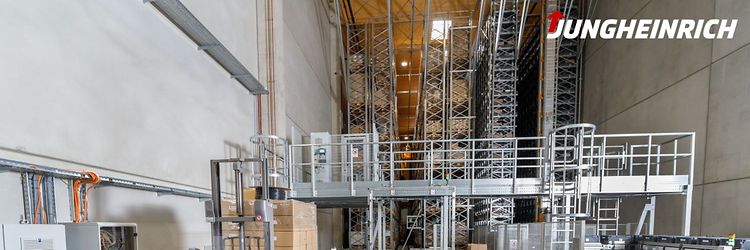
Comprehensive Smart Warehouse Services from Experts
Transitioning a warehouse into a Smart Warehouse proceeds smoothly when backed by an experienced partner. Jungheinrich is ready to drive your organization's logistics and warehouse operations with end-to-end solutions. We offer consulting, design, and installation services for automated warehouse systems tailored to diverse business models—ranging from heavy-duty pallet racking designs that optimize space utilization to the installation of systematic storage and retrieval technology. Additionally, we provide forklift rental services featuring energy-efficient technology to support material handling within the warehouse, complemented by a team of expert engineers available for close guidance and system maintenance.
Looking for the right solution for your business?
Get personalized offers and tailored solutions for your business.

Contact Us
Sale Department
Phone
Smart Warehouse technology transforms traditional warehouse management with high precision and agility by synchronizing hardware, software, and data networks. Driving operations through intelligent systems empowers businesses to respond rapidly to orders, manage inventory data systematically, and control operating expenses effectively. Careful planning and selecting the right solutions serve as a vital step for organizations seeking to prepare for future growth.