
FIFO, LIFO, FEFO: How to Choose the Racking System for Your Operation
This article offers practical tips for selecting the ideal racking system to maximize your warehouse efficiency, improve operational flexibility and lower unnecessary costs.
A well-designed warehouse strategy and clear procedures are the foundation of a smooth-running operation. Key to this success is selecting an inventory and delivery method tailored precisely to your product categories. Globally, the most effective and widely adopted frameworks are FIFO, FEFO, and LIFO, each requiring a distinct approach to layout, racking, and management.
What is the FIFO warehouse procedure?
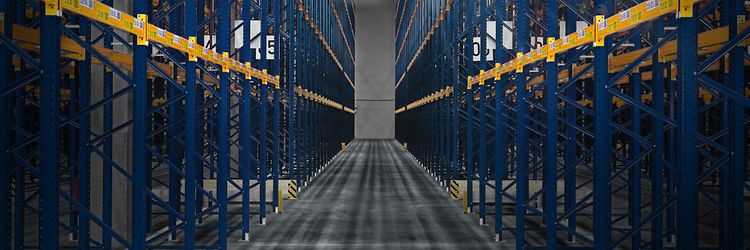
The FIFO (First-In, First-Out) warehouse procedure is an inventory management workflow designed to ensure that the oldest stock received is the first to be picked and shipped. In practice, warehouse operators load new pallets or items into the back of a racking system and retrieve inventory from the front picking face. This physical separation prevents stock from becoming buried or outdated. This method is perfect for items that do not have a hard expiration date but can easily become obsolete or lose their trendiness, such as seasonal clothing, tech gadgets, and IT equipment.
Which racking systems are best suited for the FIFO method?
What is the FEFO warehouse procedure?
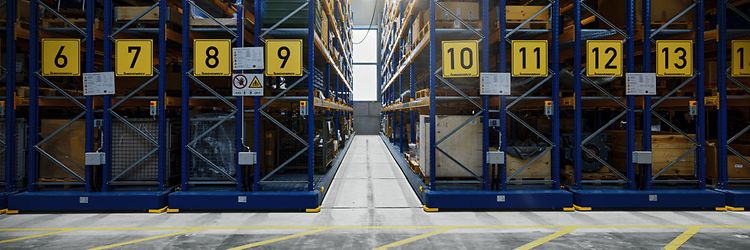
FEFO stands for First-Expired, First-Out. This warehouse management method dictates that goods with the earliest expiration dates are dispatched first, regardless of when they arrived at the facility. Even if a batch of inventory is received later, it will be delivered first if its expiration date comes sooner. This system is critical for handling perishable items such as food, beverages, pharmaceuticals and cosmetics. Implementing FEFO ensures that customers always receive safe, high-quality and fully compliant products before they expire.
Which racking systems are best suited for the FEFO method?
What is the LIFO warehouse procedure?
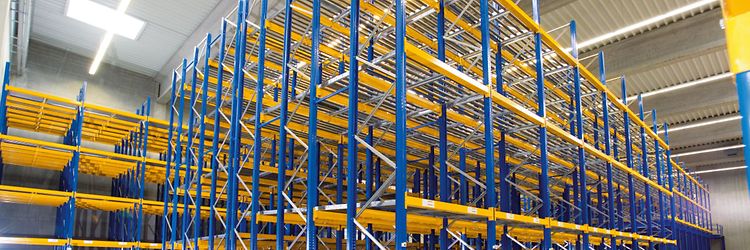
LIFO stands for Last-In, First-Out. This inventory method is designed so that the most recently received goods are the first to be dispatched and delivered. LIFO is highly popular for non-perishable products that do not expire or degrade over time. From a financial perspective, a LIFO-based warehouse management strategy offers excellent cost flexibility, particularly during periods of price fluctuation and inflation. This method is an ideal match for industries handling bulk, non-perishable commodities, such as construction materials, raw chemicals, and renewable energy components.
Which racking systems are best suited for the LIFO method?
What is the difference between FIFO, FEFO and LIFO?
Method | Core Rule | Best Used For |
FIFO | First In, First Out. | Apparel, IT equipment, consumer goods |
FEFO | First Expired, First Out. | Food, beverages, medicine, cosmetics |
LIFO | Last In, First Out. | Construction material, steel, chemicals, non-expired products |
What is the benefit of using the correct method to store your products in the warehouse?
- Optimizes Storage & Organization: Maximizes rack capacity and simplifies product categorization for effortless sorting.
- Protects Bottom-Line Capital: Minimizes the financial risk of carrying expired, outdated, or depreciated stock, preventing costly inventory write-offs.
- Ensures Accounting Accuracy: Streamlines inventory valuation, giving your finance team a precise and compliant picture of your on-hand asset values.
- Boosts Dispatch Efficiency: Increases operator flexibility during retrieval, leading to significantly faster picking and delivery times.
Which inventory flow is right for your warehouse?
How you manage your inventory flow is the ultimate test of your warehouse efficiency. To help you decide whether FIFO, LIFO, or FEFO is the best fit for your business, here is how different industries apply these methods in practice.
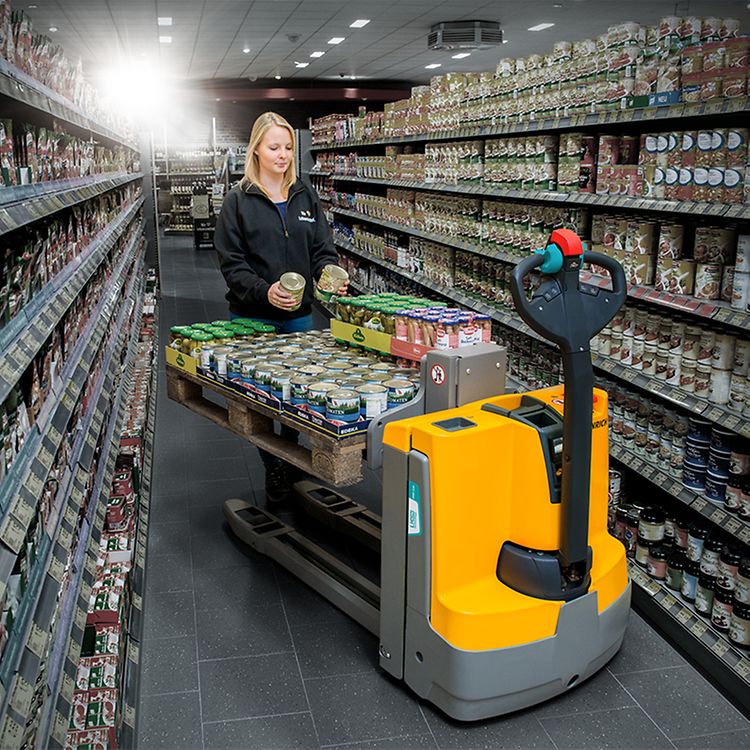
Retail and wholesale businesses rely on FIFO to keep inventory fresh. This method minimizes the risk of stock becoming outdated and ensures that items with a short shelf life are moved quickly.
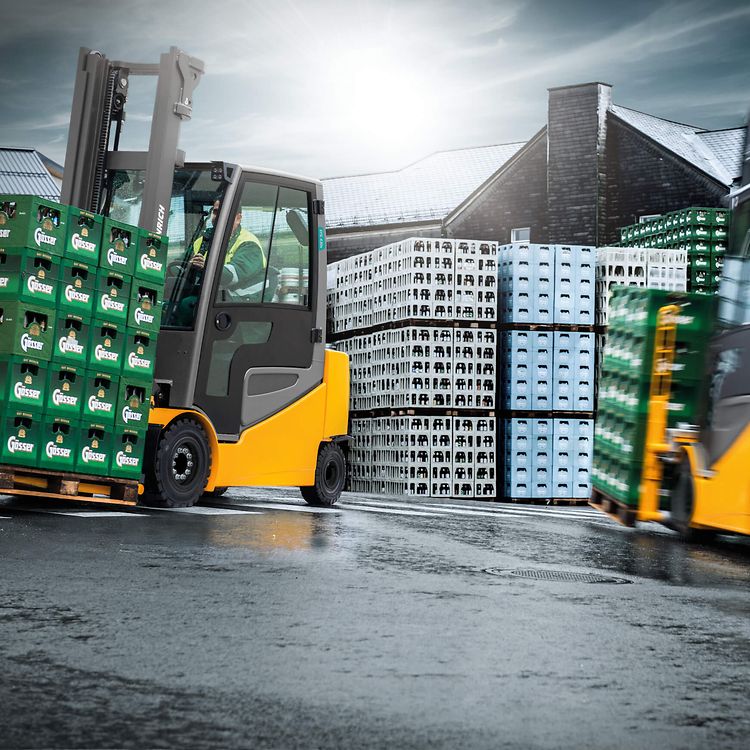
For food, beverages and pharmaceuticals, FEFO is non-negotiable. These sensitive products demand strict quality control and moving items based on expiration dates ensures they remain completely safe for consumers.
In Summary: How to Choose the Most Efficient Method for Your Warehouse
Maximizing warehouse efficiency starts with a deep understanding of the products you store—your inventory is the absolute key to selecting the right management workflow. However, even if you choose the perfect methodology (FIFO, FEFO, or LIFO), implementing it without the proper material handling equipment or racking systems will prevent you from seeing any real operational improvement.
As a leading warehouse equipment and intralogistics solution provider, Jungheinrich is ready to offer expert advice and deliver tailored, one-stop-shop solutions. We offer a comprehensive range of racking systems alongside a versatile fleet of forklifts—available for both purchase and rental—including high-performance reach trucks engineered specifically for narrow-aisle operations. Partner with us to unlock a safer, more profitable, and highly efficient warehouse.

If you are looking for the solution that can elevate your warehouse operation to be efficiency, do not hesitate to contact us by call 1483
Looking for the right solution for your business?
Get personalized offers and tailored solutions for your business.

Contact Us
Sale Department
Phone