
What is the AGV?
Present, automated warehouses have become the heart of operations, elevating businesses above their competitors. What exactly is an AGV, and why is it so significant to the industrial sector? This article will take you through the answers.
What is an AGV?
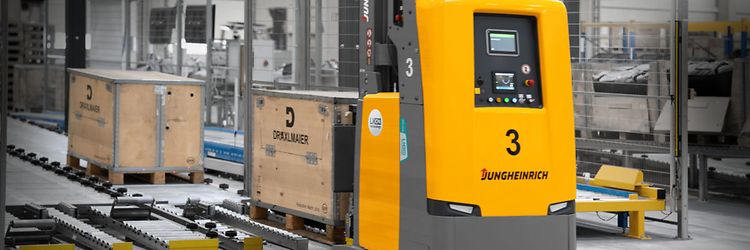
AGV stands for Automated Guided Vehicle. It is an autonomous mobile robot designed to move materials, products, or components within warehouses, manufacturing plants, or distribution centers without a human driver. These vehicles navigate strictly along pre-defined paths using various guidance systems—such as magnetic strips, laser reflectors, or Vision System technology—to reach their destinations with high precision, safety, and efficiency. AGVs are considered a key innovation driving the industrial sector toward full-scale automation.
How many types of AGVs are there?
AGVs come in various types, each designed to suit specific operational needs across different industries. Here are the primary categories:
1. AGV Forklifts
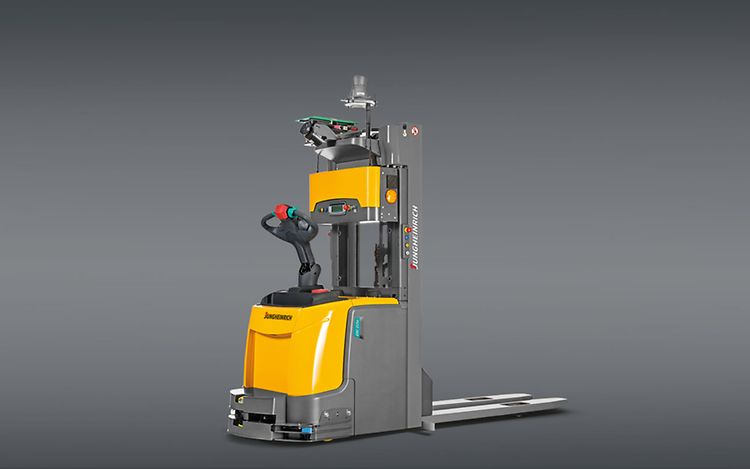
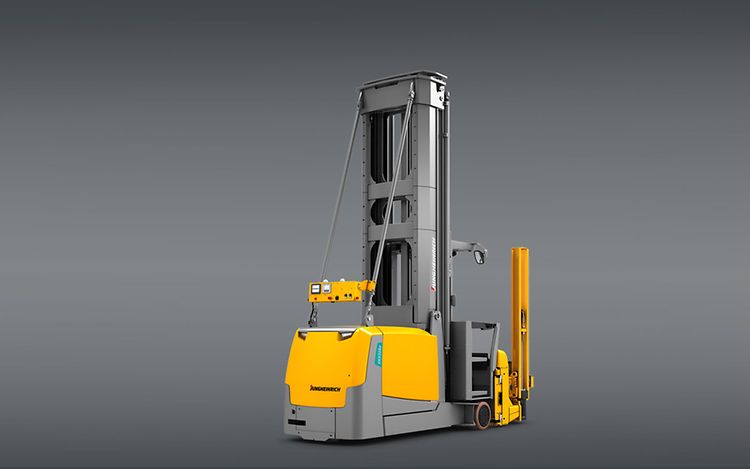
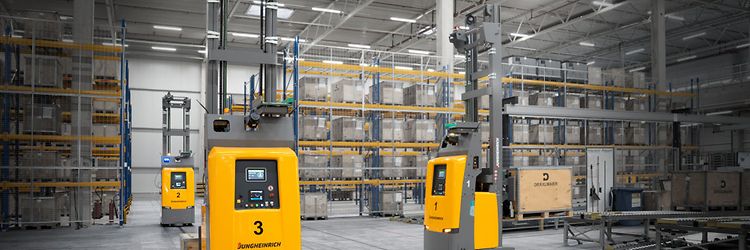
An AGV Forklift functions like a traditional forklift but operates with full autonomy. It can lift and lower pallets from high-racks, transport goods, and stack materials with extreme precision. It is ideal for automated storage and retrieval systems (AS/RS), significantly reducing errors and boosting operational speed.
2. Towing AGVs (Tugger AGVs)
A Towing AGV acts as a motorized power unit that pulls a train of non-powered carts or trailers carrying large volumes of goods along a defined path. This type is best suited for moving high-capacity loads over long distances, such as transporting components across assembly lines or moving materials between different buildings in a large plant.
3. Automated Guided Carts (AGC) or Under-ride AGVs
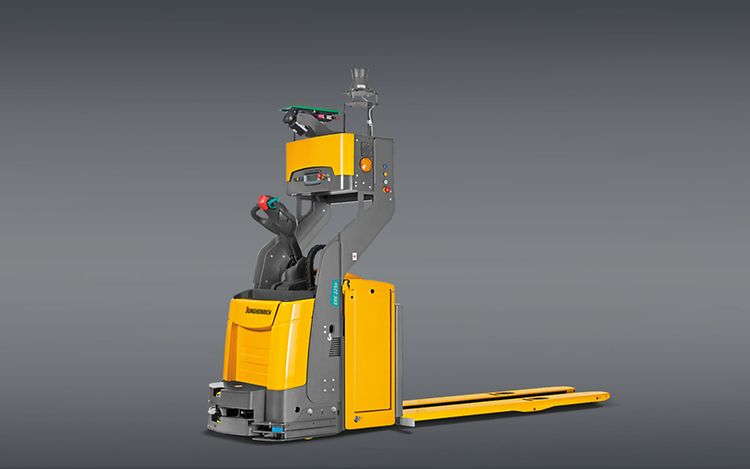
The Automated Guided Cart (AGC) is a compact AGV often used for moving lighter loads or individual components. These "Under-ride" units typically slide underneath a cart, engage it, and move it between workstations or feed materials into production lines. They are perfect for increasing agility within confined spaces.
4. Unit Load AGVs
A Unit Load AGV features a built-in platform (such as a conveyor or lift deck) to carry the product directly on top of the vehicle. It can transport a single large item or multiple smaller units depending on the weight capacity. This type is ideal for moving oversized goods or products with unique shapes that are difficult to handle with standard forklifts.
How AGVs Work
AGVs operate with high efficiency by integrating advanced technology and intelligent systems, allowing them to move and perform tasks autonomously.
1. Navigation System
The heart of an AGV is its precise navigation system, which comes in several forms:
- Magnetic Guidance: Following magnetic tape or studs installed on the floor.
- Laser Guidance: Using rotating laser scanners to identify reflectors or environment landmarks.
- Vision Systems: Utilizing cameras to recognize maps or visual cues.
- Natural Navigation: The most advanced method, where the vehicle builds its own map of the environment and identifies its position without requiring external infrastructure.
2. Safety System
Industrial AGVs are designed with rigorous safety protocols. These include:
- Obstacle Detection Sensors: Laser scanners that monitor the path ahead.
- Emergency Stop Systems: Physical and software-based triggers to halt the vehicle instantly.
- Warning Signals: Audio alarms and flashing lights to alert personnel. These features ensure that AGV operations maintain maximum safety in any environment, preventing collisions with people or objects.
3. Control System
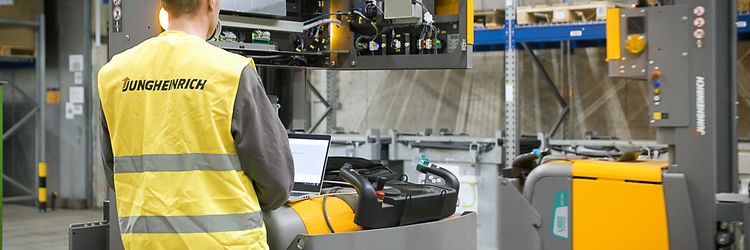
The control system acts as the "brain," managing movement, stopping, lifting, or towing based on instructions received from higher-level software, such as:
- WMS (Warehouse Management System)
- MES (Manufacturing Execution System) AGVs use wireless communication (Wi-Fi or 5G) to interface with these systems, ensuring smooth coordination and real-time task management across the entire fleet.
Key Benefits of AGVs
Implementing AGVs in a warehouse is not just about adopting interesting technology; it provides numerous tangible business benefits, such as:
Conclusion: AGVs, The Key to Future-Ready Warehousing.
AGVs represent the future of warehousing and the manufacturing industry. With their ability to provide precise, safe, and highly efficient automation, this technology enables businesses to drastically reduce costs, boost productivity, and transform inventory management.
If you are looking for a solution to modernize your warehouse and maximize operational efficiency, Jungheinrich is ready to be your strategic partner. Whether you require high-quality forklift rental services or world-class expertise in integrated warehouse design, we are committed to moving forward and growing alongside your business.
Looking for the right solution for your business?
Get personalized offers and tailored solutions for your business.

Contact Us
Sale Department
Phone