
What is the conveyor system? How many categories?
Today, conveyor systems are widely used in manufacturing and warehouses in Thailand. They streamline workflows, speed up operations to meet large orders and tight deadlines, reduce manpower costs, and ensure continuous processing.
What is the conveyor system?
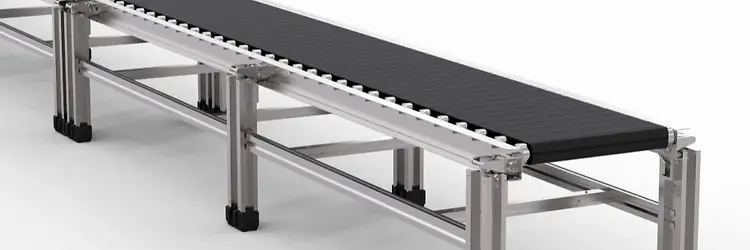
The conveyor system is designed to handle and transport goods from one location to another, powered by an electric motor. The speed of conveying can be adjusted according to requirements. This system facilitates the production process by enabling efficient movement of materials, reducing the need for manual labor, and improving workplace safety.
How does the conveyor operate?
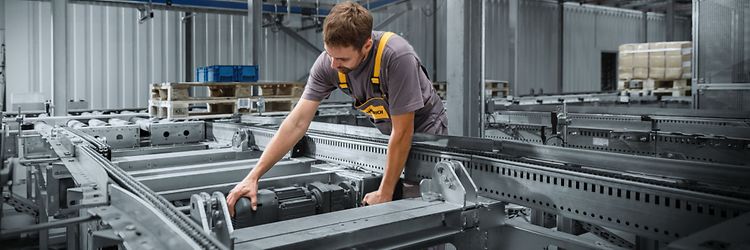
The conveyor is powered by an electric motor, which transmits energy to the gears and rollers, enabling all components to function in unison and transport goods efficiently to their destination. This continuous process enhances operational efficiency and allows tasks to be completed more quickly. Additionally, the conveyor's speed can be adjusted, providing flexibility and convenience for operators.

Information Contact
About Products
Phone
How many categories of the conveyor system?
Conveyors can be categorised by operation, material, and specific requirements. The main conveyor categories are listed below.
A roller conveyor belt is a type of conveyor system that uses multiple rollers to transport items to a designated location. This equipment is designed for the efficient movement of heavy goods such as carton boxes, pallets, and metal components. Compared to manual handling or the use of trucks, it can facilitate a more streamlined process.
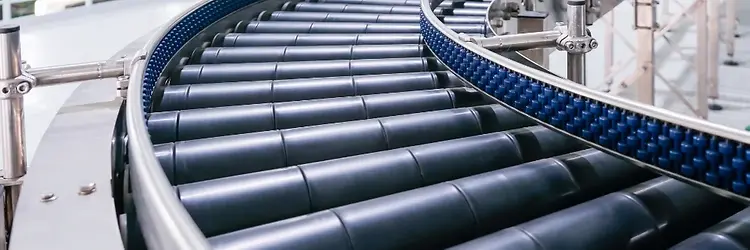
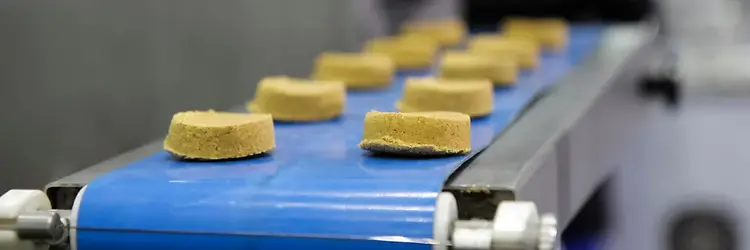
This type of conveyor features a flat surface on both sides and can be constructed from materials such as canvas, rubber, plastic, or stainless steel, depending on its intended use. It is suitable for transporting small items with irregular shapes and is frequently used in food and beverage manufacturing.
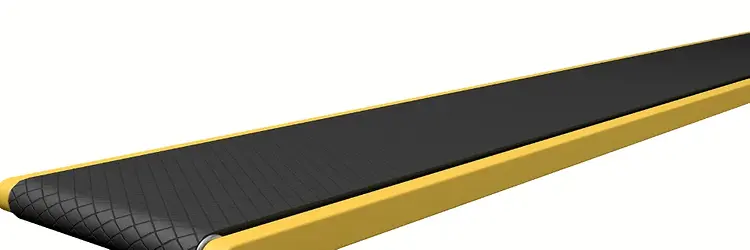
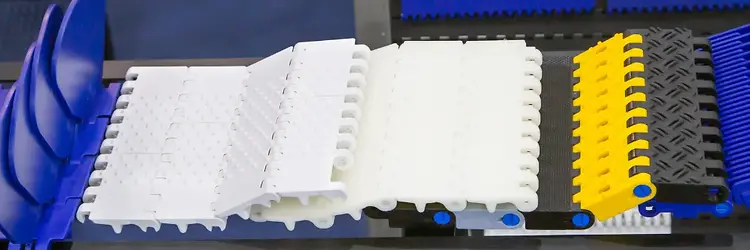
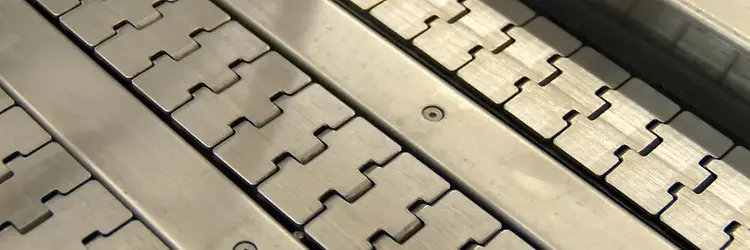
The modular conveyor features a plastic structure with interconnected components, each of which can be removed or adjusted as needed for specific applications. This highly flexible conveyor system can be tailored to accommodate various shapes of goods requiring transport. It performs reliably under both hot and cold temperature conditions, making it ideal for robust and hygiene-sensitive industries such as pharmaceuticals.
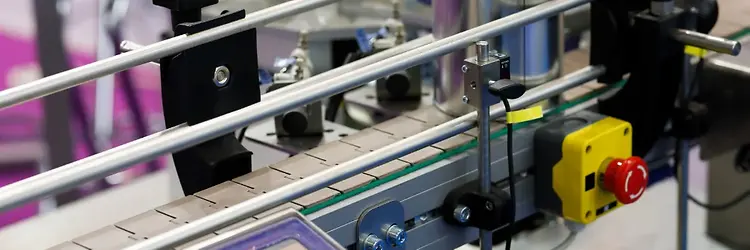
A cleated conveyor belt is designed for transporting materials on inclined or unstable surfaces. It features wings or partitions that help prevent items from falling during transit. These belts are typically constructed from materials such as rubber or PVC, which can handle chemicals, small pellets, pharmaceuticals, or dust. Cleated conveyor belts are commonly used in industries like chemical production and pet food manufacturing.
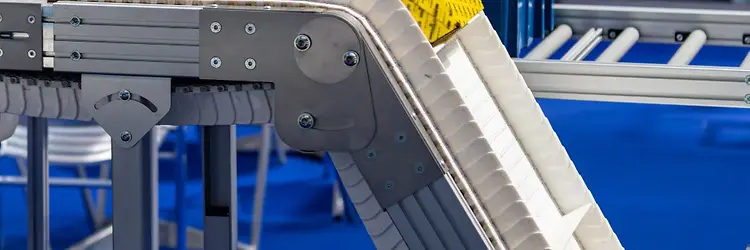
This conveyor is designed to transport items that require curved routing. It is suitable for factories with limited space where efficient use of area is important. Additionally, the conveyor can be adjusted and reconfigured to accommodate future layout changes.
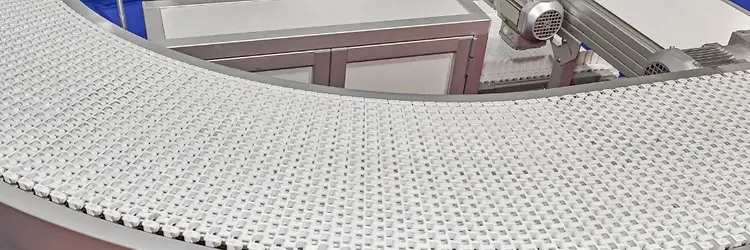
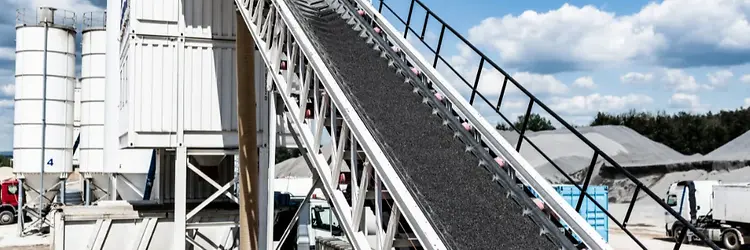
This type of conveyor belt is designed to move goods up and down between different elevation levels. It is suitable for use in factories with multiple floor levels or where products need to be transported up to higher floors. It is often used in conjunction with special cleats (or flights) or specialized belt surfaces to prevent the goods from sliding.
สายพาน PU ผลิตจากโพลิยูรีเทนที่มีคุณสมบัติพิเศษ สามารถทนสารเคมีได้ดี ทนความร้อนได้ถึง 100 องศาเซลเซียส มีผิวสัมผัสแข็งแรงและทนต่อการขีดข่วน เหมาะสำหรับการลำเลียงในแนวราบ แนวเอียง และการลำเลียงอาหารที่ปราศจากสารปนเปื้อน ทนสภาพเปียกชื้นตลอดเวลา
PVC conveyor belts have a thickness ranging from 2.0 to 4.0 millimeters. The top surface is glossy, while the bottom side is made of nylon fabric. They are used in general industries with normal environmental conditions and can withstand temperatures up to 80 degrees Celsius. They are affordable and easy to maintain, making them suitable for conveying lightweight products.
Volta conveyor belts are manufactured from Thermoplastic Elastomer (TPE). They have a thickness ranging from 0.3 to 0.6 millimeters. The surface is smooth and easy to clean and provides good antibacterial protection. They are highly suitable for conveying wet materials, such as seafood, frozen foods or fruits, that require a high degree of sanitation.

Rubber conveyor belts are available in both smooth and cleated (chevron) patterns. They offer high tensile strength and excellent wear resistance. They are suitable for heavy industries such as rock crushing plants (quarries), metal smelting plants, and the glass industry. They are used for applications that involve high impact loads and for conveying large or sharp materials.
Stainless steel conveyor belts are made of a metal mesh that is highly resistant to heat, cold and oil. They are suitable for the food and beverage industry. They can convey objects at high temperatures, such as passing through ovens or coming out of fryers and can also be used for product sorting/selection.
Summary: What are Conveyor Belts? (and Complete Logistics Solutions)
Conveyor belts are an extremely crucial technology for the development and optimization of warehouses and industrial factories. Selecting the appropriate type of conveyor belt helps effectively increase productivity and reduce operational costs.
For businesses seeking complete inventory management solutions, Jungheinrich offers a full range of products and services to ensure maximum logistics efficiency for all business sizes: High-Quality Equipment, Automated warehouse systems, pallet racking, and electric forklifts. Flexible Investment Options, Forklift rental services and sales of reconditioned used forklifts.
In addition to high-quality equipment, Jungheinrich prioritizes comprehensive after-sales support to guarantee the continuous efficiency of your warehouse management system: Expert Team, certified technical team trained to international standards. Full-Service Offering, Full-Service maintenance, safety inspections, provision of genuine spare parts, and fast repair and maintenance services. For more information, please contact us.
Information Contact
About Products
Phone