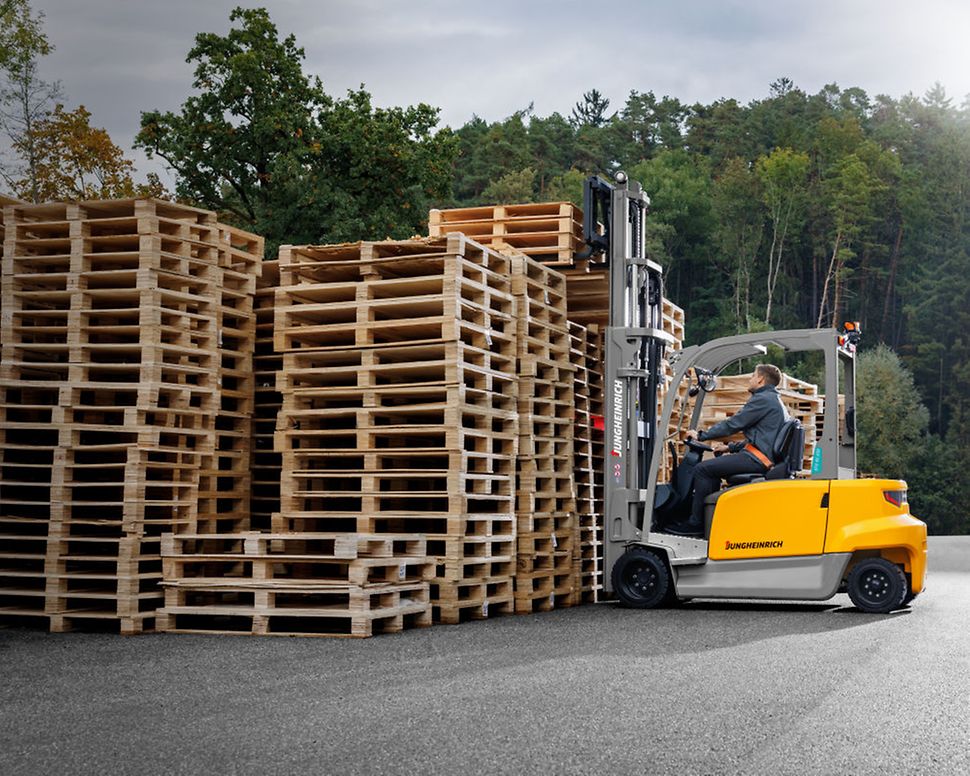
What is a pallet? How many types are there? How do you select the right pallet to fit your usage requirements?
A pallet is widely used in warehouses, distribution centres, and manufacturing sites. Selecting the right type boosts your business’s efficiency, so it’s important to know your options.
What is a pallet? Why is it important in warehouse and logistics operations?
A pallet is a flat platform designed for carrying products, facilitating efficient movement and handling. Its structure includes openings that allow forklifts to lift and transport goods securely. The use of pallets enables faster, safer, and more time-efficient product handling. Additionally, pallets help optimize warehouse space utilization by increasing capacity to manage high order volumes and reducing risks associated with transportation.
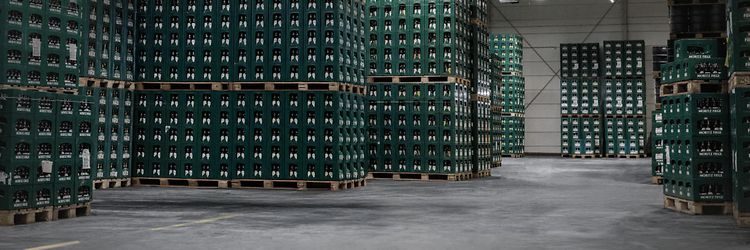
Types of Pallets
Pallets can be divided into various types depending on the material used in their production and their application. Each type has different advantages and limitations, making it suitable for a variety of usage scenarios.
1. Classification by Production Material
The material used to produce a pallet affects its durability, cost, and suitability for various applications. They can be divided into four main categories:
1.1 Wooden Pallets
Wooden pallets are the most popular type because they are inexpensive and readily available. They are strong, durable, can support heavy loads, and allow for the selection of wood suitable for specific uses. They are also easily recyclable. However, disadvantages include potential issues with mold, insects, and termites, which can affect the quality of the goods.
1.2 Plastic Pallets
Plastic pallets stand out for their strength, durability, and lightweight nature. They are easy to maintain, eliminate concerns about mold, insects, or termites, and can be reused many times. They are suitable for industries requiring high levels of cleanliness, such as the food and beverage industry. However, they are not resistant to high temperatures, and prolonged heavy loading may cause warping or deflection.
1.3 Paper Pallets
Paper pallets are an environmentally friendly option. They are lightweight, affordable, and easy to transport, making them suitable for export or single-use applications. Their limitations include lower strength, limited load capacity, and lack of resistance to moisture, water, and insects. They are best suited for lighter goods and short-term use.
1.4 Steel Pallets
Steel pallets are the strongest and most durable of all pallet types. They can handle extremely heavy loads, resist high temperatures, and have no issues with moisture, mold, or insects. They are suitable for heavy industries, the automotive industry, and the construction industry. They can be used in AS/RS (Automated Storage and Retrieval Systems) and are ideal for internal, circulating use within a factory.
2. Classification by Usage Application
Classification based on usage helps in selecting the right pallet for business needs and cost management.
2.1 Single Use Pallets
This type of pallet is made from materials that are inexpensive and appropriate for reducing costs, such as wood or paper pallets. They are often used for export or one-way shipping where the pallet is not intended to be returned for reuse. They are easily disposable, save on return shipping costs, and are suitable for businesses with high shipping volumes.
2.2 Reusable Pallets / Recycle Used Pallets (Circulating Use)
Reusable pallets must be highly robust and durable, such as plastic or steel pallets. They are suitable for transporting goods from the warehouse to various retail locations and then returning for reuse. This helps reduce costs in the long term and is ideal for businesses with an efficient pallet management system.
Guidelines for Selecting the Right Pallet
Selecting the appropriate pallet requires considering several factors to ensure maximum efficiency and a worthwhile investment. This can be achieved by following these steps:
1. Consideration of Product Weight and Type
The weight of the goods is a crucial factor in pallet selection. For heavy goods, choose steel or highly durable wooden pallets. Conversely, for lighter goods, paper or plastic pallets may be used. Furthermore, the nature of the product must be considered: goods requiring cleanliness should use plastic pallets, while those with chemical substances should use pallets resistant to corrosion, and so on.
2. Compatibility with Material Handling Equipment
The pallet must be compatible with the handling equipment used, such as electric forklifts, electric stackers, or order pickers. The size and configuration of the fork openings must fit the equipment used in the warehouse. Incompatible pallet design may lead to accidents or reduced operational efficiency. Therefore, consulting experts is advised to ensure the chosen pallet is compatible with the working system.
3. Storage and Transportation Environment
The operating environment influences pallet selection. For instance, cold storage facilities should use pallets resistant to low temperatures, while high-humidity environments should avoid paper pallets. In areas with size restrictions, a suitably sized pallet should be chosen. Considering the environment will help prolong the pallet's lifespan and maintain product quality.
4. Budget and Long-Term Usage Requirements
Calculating the total long-term cost is essential. A low-priced pallet may not be cost-effective if frequent replacement is necessary, while a high-priced pallet might be a worthwhile investment if it offers a long lifespan. Analyzing the frequency of use, wear and tear rate, and maintenance costs will help in deciding on the pallet that fits the budget and long-term needs of the business.
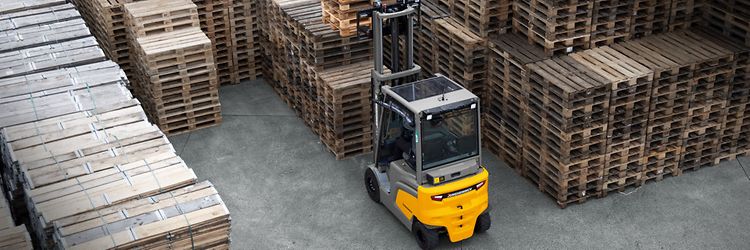
Summary of "What is a Pallet?"
Selecting the appropriate pallet is crucial for increasing warehouse management efficiency and reducing operational costs. Whether it's a wooden pallet, plastic pallet, paper pallet, or steel pallet, each type has distinct advantages suitable for different applications. Carefully considering various factors will help achieve the best results.
For businesses aiming to enhance warehouse management efficiency, Jungheinrich is ready to be your reliable partner. We offer comprehensive solutions ranging from forklift rental to modern automated warehouse systems. We help your business achieve sustainable growth and maximum efficiency.
In addition to high-quality equipment, we provide complete after-sales services with a team of technicians ready to offer Full Service maintenance, safety inspections, provision of genuine spare parts, and prompt repairs. This ensures your warehouse management system operates efficiently. Contact us today for a consultation to find the right solution for your business.