
What about Cold Storage Warehouse?
Effective inventory management is the cornerstone of business success.
Especially for products requiring specialized care—such as fresh food, pharmaceuticals, and cosmetics—maintaining quality and freshness presents a significant challenge. Cold Storage Warehouses, or temperature-controlled warehouses, have become a vital infrastructure for preserving product value before it reaches the consumer. This article will introduce you to cold storage, covering its definition, types, essential industries, and maintenance tips to help you select and manage a warehouse for maximum business benefit.
What is a Cold Storage Warehouse?
A Cold Storage Warehouse is a storage facility designed to maintain a constant internal temperature 24/7, protecting goods from external heat. Internal temperatures vary based on product requirements, ranging from below 25°C down to sub-zero levels. This is ideal for various products like fresh produce, beverages, medicines, and cosmetics. Having a standardized cold storage facility effectively extends shelf life and preserves product quality.

How Does a Cold Storage Warehouse Work?
The core principle of a cold storage warehouse is creating a controlled environment to slow down product degradation. Low temperatures effectively inhibit microbial growth, reduce chemical reaction rates, and delay the respiration and gas emission of fruits and vegetables. This preservation process ensures products stay fresh longer. Precise temperature control allows entrepreneurs to maintain cost-effective stock levels without the risk of spoilage or quality loss.
Types of Cold Storage Warehouses
Cold storage facilities are categorized by their specific functions and temperature ranges to ensure optimal storage efficiency for different products:
1. Ante-Room
This serves as a transitional zone between the external environment and the low-temperature storage areas. It minimizes temperature fluctuations caused by air exchange.
- Temperature Range: -5°C to 10°C.
- Function: Used for staging, sorting, or distributing goods before further transfer.
2. Freezer Room
Designed for long-term storage of products at temperatures below their freezing point.
- Temperature Range: -5°C to -25°C.
- Function: Ideal for pre-frozen goods such as meat and seafood.
3. Air Blast Chill Room
Used to rapidly reduce the temperature of products to inhibit bacterial growth and preserve quality before further storage or processing.
- Temperature Range: 2°C to 10°C.
- Function: Quick cooling for sensitive fresh products.
4. Cold Storage Room
A holding room for products that have already been frozen. The incoming goods must be at or below the room's operating temperature.
- Operating Temperature: Typically around -25°C.
- Function: Maintaining the "Deep Freeze" state of inventory.
5. Air Blast Freezer Room
Utilizes high-velocity cold air to freeze products as quickly as possible. This prevents large ice crystals from forming, which could otherwise damage the cellular structure of the food.
- Operating Temperature: Typically around -35°C.
- Function: Flash-freezing fresh goods to maintain texture and nutrition.
Benefits of Temperature-Controlled Warehousing
- Extended Shelf Life : Effectively slows down product degradation, ensuring that goods remain fresh and high-quality for longer periods.
- Reduced Product Loss: Protects perishable items—such as fresh food and pharmaceuticals—from spoilage caused by temperature fluctuations.
- Enhanced Logistics Efficiency: Facilitates the storage and long-distance transportation of temperature-sensitive goods, expanding your market reach.
- Cost Optimization: Allows for strategic inventory stockpiling at optimal levels. This reduces the need for frequent small-batch imports, leading to significant overall cost savings.
Industries That Depend on Cold Storage Warehousing
Cold storage warehouses serve as the vital heartbeat for numerous industries that require rigorous temperature-controlled environments for their products.
Essential Forklift Features for Cold Storage Operations
- Electric Drive System: Electric forklifts are preferred over internal combustion models as they emit zero exhaust fumes, preventing contamination in sensitive food and pharmaceutical storage areas.
- Lithium-ion Battery: Superior to lead-acid batteries in low-temperature environments, Lithium-ion technology maintains high performance and can operate effectively in temperatures as low as -28°C.
- Moisture-Resistant Seals & Components: Specialized seals are mandatory to protect electrical and hydraulic components from water, condensation, and corrosion caused by extreme temperature shifts.
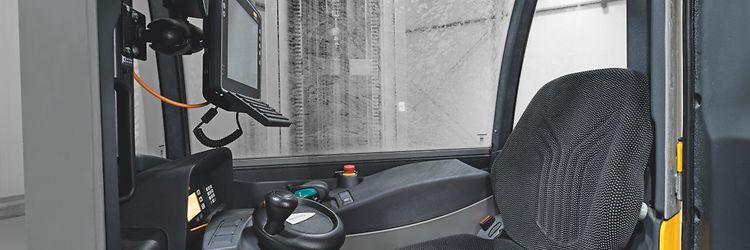
- Heated Enclosed Cabins & Hot Seats: For sit-down forklifts, heated cabins or "Hot Seat" options are essential to ensure operator comfort and sustained productivity during long shifts in the cold.
- Cold Storage Specialized Tires : Utilizing specialized rubber compounds, such as polyurethane, ensures tires remain pliable and provide grip in low temperatures. Non-marking tires are also recommended to maintain floor cleanliness, particularly in the food and medical sectors.
- Specialized Maintenance: Cold storage operations require more frequent electrical and battery diagnostics than standard environments. Furthermore, temperature acclimatization is necessary when moving equipment between cold zones and ambient warehouse areas to prevent condensation buildup.
Key Technologies for Modern Cold Storage Warehousing
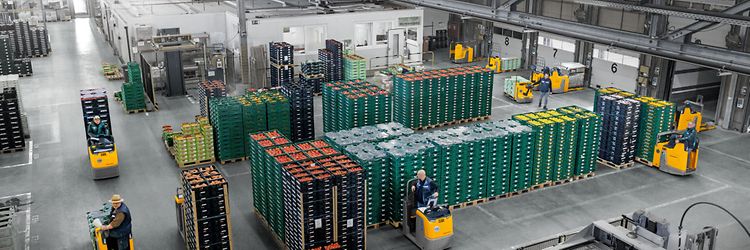
Implementing automation is the definitive way to boost operational efficiency. Integrating an Automated Storage and Retrieval System (ASRS) with a Warehouse Management System (WMS) ensures that storage and retrieval are fast, precise, and significantly reduce both labor costs and energy consumption. Furthermore, Automated Guided Vehicles (AGVs)—autonomous forklifts that transport pallets using advanced sensors, cameras, and intelligent navigation—eliminate the need for manual operators. This is particularly ideal for cold storage environments with extreme operational limits. The primary advantages of AGVs include reducing human labor in sub-zero temperatures, enabling 24/7 continuous operation, and delivering unmatched precision. It is a strategic investment tailored for the frozen food, pharmaceutical, medical, chemical, and high-standard manufacturing sectors.
If you are looking for advanced, durable electric forklifts engineered specifically for cold storage, or require a comprehensive end-to-end warehouse solution, Jungheinrich offers a diverse range of models to meet every operational demand. From high-performance new units to flexible forklift rental services, we ensure your business operations run smoothly, safely, and with maximum efficiency.

Information Contact
About Products
Phone