
What is a 4PL System? Why It’s the Key to Modern Supply Chain Management
Fast, precise logistics drive business success. However, booming e-commerce and cross-border trade have vastly increased supply chain complexity. Traditional management is no longer enough to handle today's rapid market fluctuations in a timely manner.
For this reason, the term 4PL is widely mentioned as an important strategy that will revolutionize logistics workflows to be organized and conducive to long-term cost control. But what is 4PL? Why is it important? In this article, Jungheinrich will take you to find the answers, along with the differences between 4PL and 3PL.
What is 4PL (Fourth-Party Logistics)?
To explain it simply, the concept of 4PL is a logistics management model where business organizations assign an expert external service provider to act as a partner in planning, controlling, and managing all supply chain activities holistically. Service providers in this model will act as the central core in linking data, coordinating, and supervising other operational parties, ensuring that the process of moving goods from upstream raw material sources to downstream consumers' hands runs smoothly and unified.
What are the main duties of 4PL management?

The primary role and duties of service providers in this system heavily emphasize strategic management and supply chain integration, acting as the main point of contact to reduce communication confusion. In addition, this includes applying modern information technology to analyze deep insights, providing consultation to improve workflows for agility, as well as efficiently managing and allocating all resources within the logistics network for the benefit of the hiring organization.
Which parts of the business do 4PL providers help manage?
The scope of work for service providers in this system is extensive and comprehensive, taking care of everything from procurement and sourcing of raw materials, warehouse and storage system planning, inventory volume control, as well as selecting and coordinating with various sub-carriers. Furthermore, it also includes developing software systems for tracking product status and detailed performance measurement, which clearly reduces the business's burden regarding paperwork and warehouse management.
How do 3PL and 4PL systems differ in terms of operation?
For clarity in making a choice, the differences between both systems can be considered through the following comparison table:
| Comparison Point | 3PL System | 4PL System |
|---|---|---|
| Scope of Operations | Focuses on specific operations, such as warehousing services or transportation as individual activities. | Manages and plans the entire supply chain structure in an end-to-end, integrated manner. |
| Main Role and Duties | Acts as a contractor for shipping and storing goods according to orders or contract scopes. | Acts as a strategic partner providing consultation and supervising other service providers. |
| Technology Use | Uses specific information systems, such as warehouse management systems or transportation tracking systems. | Integrates advanced technology to collect and analyze data from all sectors. |
| Communication Style | Customers must coordinate with each warehouse provider or carrier themselves. | Has a single primary point of contact, handling and covering all processes on behalf of the customer. |
How can businesses benefit and reduce costs from using 4PL?
What size of business or type of industry is suitable for 4PL?
- Large business organizations with complex procurement, production, and distribution structures.
- Modern retail businesses with diverse distribution channels, both physical storefronts and online (Omnichannel).
- Industries that need to rely on and coordinate with numerous suppliers and carriers simultaneously.
- Companies that want to focus their resources on research, product development, and marketing, while reducing the burden of logistics operations.
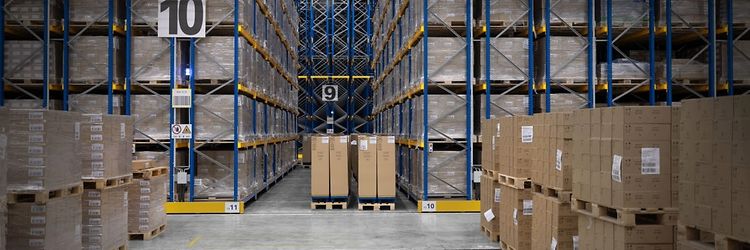
Examples of 4PL Applications in the Business World
To clearly visualize how 4PL (Fourth-Party Logistics), or service providers who manage the entire supply chain from upstream to downstream, actually operate, let's look at examples of applications in global industries.
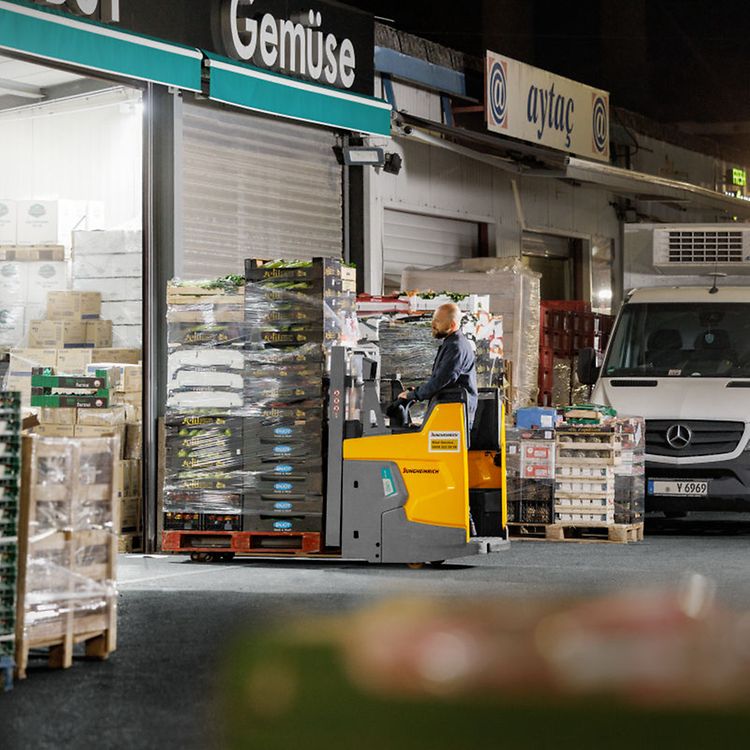
Manufacturing companies need to distribute products to department stores, small retail shops, and e-commerce warehouses simultaneously. Implementing a 4PL structure is the tool that steps in to control everything from receiving raw materials into the factory, scheduling delivery trucks for sub-suppliers, and tracking inventory levels across all distribution channels to keep them at an optimal level.
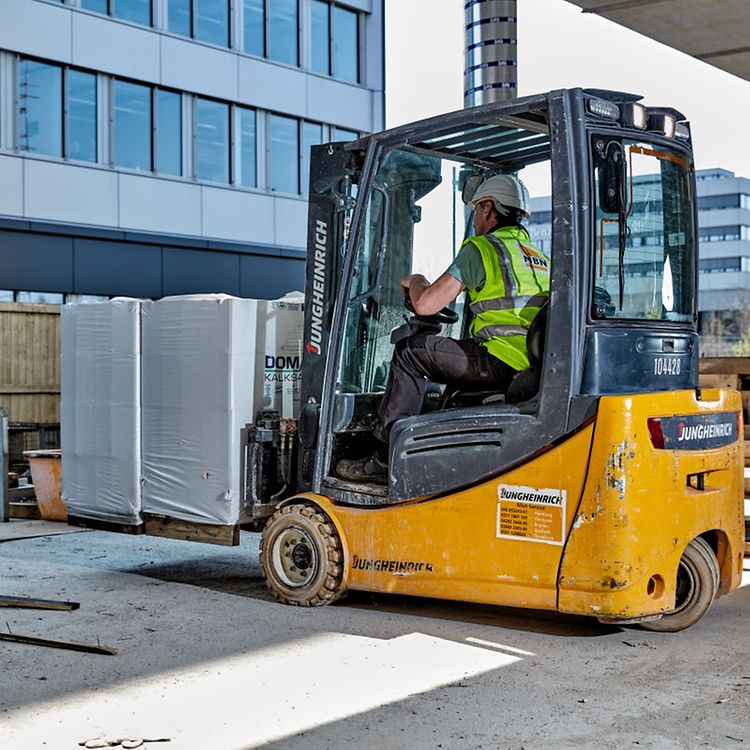
Because these industries consist of tens of thousands of parts from various suppliers, this system will step in to manage data and control delivery cycle times on a Just-In-Time basis to prevent the problem of production line disruptions.
In summary, is switching to a 4PL system a worthwhile investment?
Switching to this model of supply chain management is considered a worthwhile long-term strategy for businesses looking to elevate agility and reduce complexity in their logistics processes. However, the success of such a system also relies on having an internal warehouse infrastructure that meets international standards in tandem.
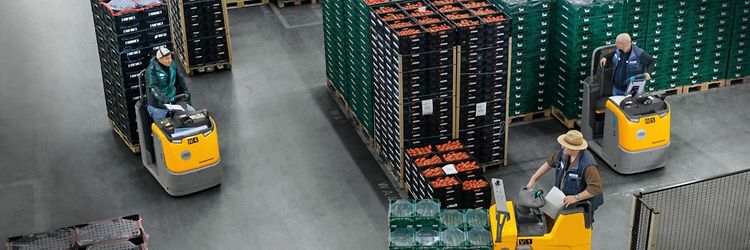
To support warehouse operations efficiently and align with high-level data integration, Jungheinrich comes with storage and material handling solutions that meet the needs of all logistics structures. Whether your business chooses to manage operations internally or delegates them to a 3PL system, we have a comprehensive range of products and services ready to support you. This spans from high-efficiency material handling equipment like forklifts and reach trucks, designed for more precise and energy-saving operations within warehouse spaces, to flexible services like forklift rental, helping businesses manage costs agilely based on actual workloads.
Furthermore, we also offer professional design and installation services for standardized industrial racking systems to help allocate vertical space in the warehouse for higher functional utilization. When the physical infrastructure is ready, data connection with the overall management system will proceed smoothly and efficiently.
If you would like a consultation on comprehensive warehouse management, contact Jungheinrich or call 1483. Our team is ready to serve you during business days, Mon–Fri, from 8:00 AM to 5:00 PM.
Looking for the right solution for your business?
Get personalized offers and tailored solutions for your business.

Contact Us
Sale Department
Phone