
What is the Lithium-Ion Battery?
Lithium-ion technology is the next-generation power driving the industrial world, delivering both high efficiency and sustainability. Superior to conventional batteries in energy density, charging speed and lifespan. The key advantages that make Li-ion the ultimate choice for your business.
What is a Lithium-ion Battery?
A Lithium-ion (Li-ion) battery is a type of rechargeable battery that operates based on the movement of lithium ions between the cathode (positive electrode) and the anode (negative electrode) during both charging and discharging cycles.
Lithium is an element characterized by its light molecular weight and high energy storage potential. This gives Lithium-ion batteries a superior Energy Density, meaning they can store significantly more energy within a smaller footprint and at a lighter weight compared to other battery types, such as traditional lead-acid batteries.
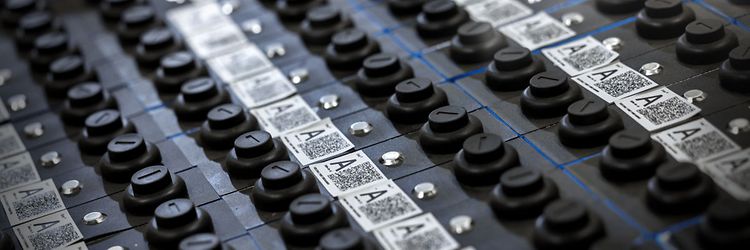
Lithium-ion vs. Lead-Acid Batteries
In the material handling industry, lead-acid batteries were the long-standing standard. However, as demands for higher efficiency and productivity increase, Lithium-ion (Li-ion) has emerged as the superior choice.
1. Efficiency
Lithium-ion batteries possess a much higher energy density, providing consistent and full power delivery throughout almost the entire discharge cycle, even when the charge is low. In contrast, lead-acid batteries experience a significant voltage drop as they discharge, causing forklift performance to decrease as the battery depletes.
2. Charging Speed
A key advantage of Li-ion is its fast and flexible charging capability. It supports "Opportunity Charging"—short bursts of charging during shifts or breaks—safely and efficiently. A full charge typically takes only 1–2 hours. Lead-acid batteries, however, require 8–10 hours to charge plus an additional 8 hours of cooling time, often necessitating multiple spare battery sets for continuous operation.
3. Safety
Li-ion batteries utilizing safe technologies like Lithium Iron Phosphate (LFP) offer superior thermal stability. They are equipped with an advanced Battery Management System (BMS) that precisely monitors and controls temperature, voltage, and current, minimizing risks of overheating or short circuits. Conversely, lead-acid batteries pose risks of acid leaks and hydrogen gas emissions during charging, requiring specialized, ventilated charging rooms.
4. Lifespan
Lithium-ion batteries offer a significantly longer service life, typically enduring 3,000 to 5,000+ charge cycles. Lead-acid batteries generally last only 500 to 1,500 cycles. Transitioning to Li-ion drastically reduces long-term costs associated with frequent battery replacements.
5. Maintenance
Lithium-ion is truly "Maintenance-Free," requiring no water topping or acid cleaning, which reduces labor and upkeep costs. On the other hand, lead-acid batteries demand regular inspections and distilled water refilling to function correctly.
Applications of Lithium-ion Batteries
Lithium-ion batteries are widely adopted across various sectors, including:
- Portable Electronics: Mobile phones, tablets, and laptops.
- Electric Vehicles (EV): Electric cars and electric motorcycles.
- Cordless Power Tools: Drills and electric saws.
- Battery Energy Storage Systems (BESS): Large-scale systems for industrial plants and solar energy storage.
- Industrial Vehicles: Electric forklifts, tow tractors, and pallet jacks.
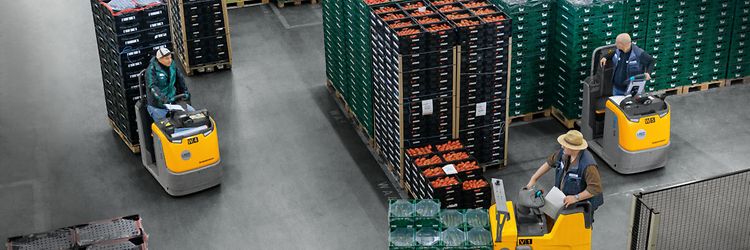
Driving Sustainable Business with Next-Generation Energy
Transitioning to clean, high-efficiency energy like Lithium-ion technology is a strategic investment for the future of modern enterprises. As a leader in Intralogistics, Jungheinrich recognizes the critical importance of this technology. We offer comprehensive solutions for electric forklifts powered by Lithium-ion, designed not only to boost productivity, reduce operational costs, and enhance warehouse safety but also to simplify your journey toward sustainability goals.
Whether you are looking for the latest Electric Forklifts, seeking flexibility through our Short-term or Long-term Rental Services, or considering high-quality Certified Pre-owned Forklifts, we are ready to provide expert consultancy and deliver products integrated with advanced Lithium-ion technology.
Contact us today to elevate your warehouse management to the next level.

Information Contact
About Products
Phone