
What Is Order Fulfillment? Pro Warehouse Management Guide.
Order fulfillment is the backbone of modern business, managing every step from customer order to final delivery. An efficient, systematic process reduces costs and saves time. This article explores essential workflows and technologies to boost order accuracy and elevate your warehouse performance.
What is Order Fulfillment?
Order Fulfillment encompasses the entire process from the moment a customer places an order to the final delivery. It is the backbone of back-office operations that ensures a transaction is completed, covering inventory verification, picking and packing, and handover to logistics providers. When these processes are integrated systematically, businesses can deliver products smoothly and on time.
Why is an Order Fulfillment System Key to Business Success?
Effective back-office management directly impacts business growth, offering these key benefits:
- Increased Speed and Accuracy: Minimizes errors in shipping, reduces delays, and prevents "out-of-stock" order issues.
- Optimal Use of Warehouse Space: Systematic management, combined with appropriate industrial racking, allows you to maximize every square meter of storage and ensures products are easy to locate.
- Reduction of Hidden Costs: Decreases waste related to labor and time spent on redundant processes.
- Enhanced Customer Satisfaction: When customers receive the correct products quickly, it builds trust, increasing the likelihood of repeat purchases and long-term business growth.
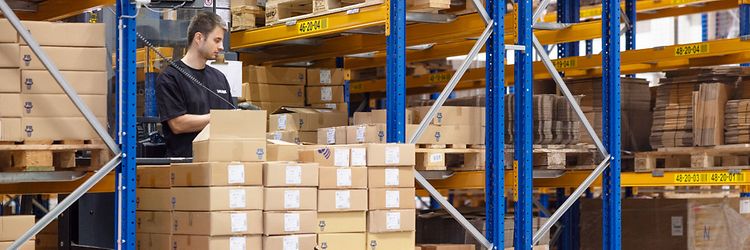
Deep Dive: The 5 Core Processes of Order Fulfillment
To provide a clearer picture, an effective Order Fulfillment system consists of five interconnected key processes:
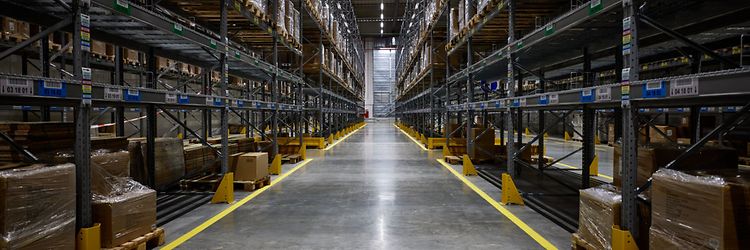
Elevating Order Fulfillment with Intralogistics Technology
The fulfillment process cannot flow seamlessly without standardized equipment and systems. Integrating intralogistics technology enhances warehouse efficiency to the next level:
- Warehouse Management System (WMS): Enables real-time inventory control, ensuring accurate data for all goods entering and leaving the warehouse, and preventing stock discrepancies.
- Agile Material Handling Equipment: Utilizing forklifts and Order Pickers significantly reduces time spent on Pick & Pack operations. For warehouses with high-bay racking, Reach Trucks provide rapid access to goods while enhancing operational precision.
- Automation Systems (AGV/AMR): Streamlines internal material transport and minimizes errors caused by manual labor.
If you are looking to upgrade your warehouse system, Jungheinrich offers comprehensive, end-to-end solutions—from advanced management software and automation technology to high-quality forklift rental services—to ensure your order management process remains smooth and efficient.