
What is Shuttle Racking? Is it worth the investment?
As warehouse space costs continue to rise, maximizing storage efficiency has become a top priority. Shuttle Racking is a semi-automated innovation that increases storage density by up to 90%, while significantly reducing operational risks and enhancing workflow speed.
What is a Shuttle Racking System?
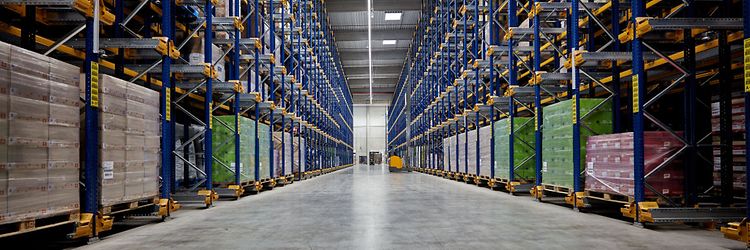
A Shuttle Rack, or Semi-Automated storage system, is designed for high-density deep-lane storage. By converting traditional forklift aisles into functional storage space, this system maximizes warehouse capacity. It utilizes a specially engineered steel structure that allows electric 'shuttle' carts to operate independently within the storage lanes.
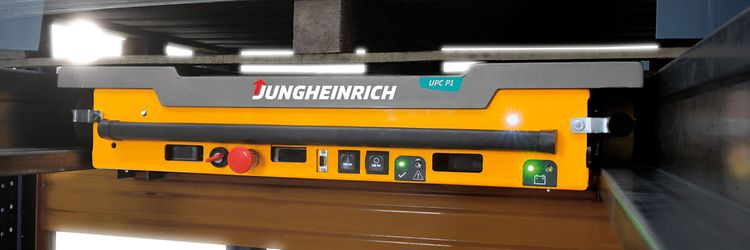
How a Shuttle Racking System Operates
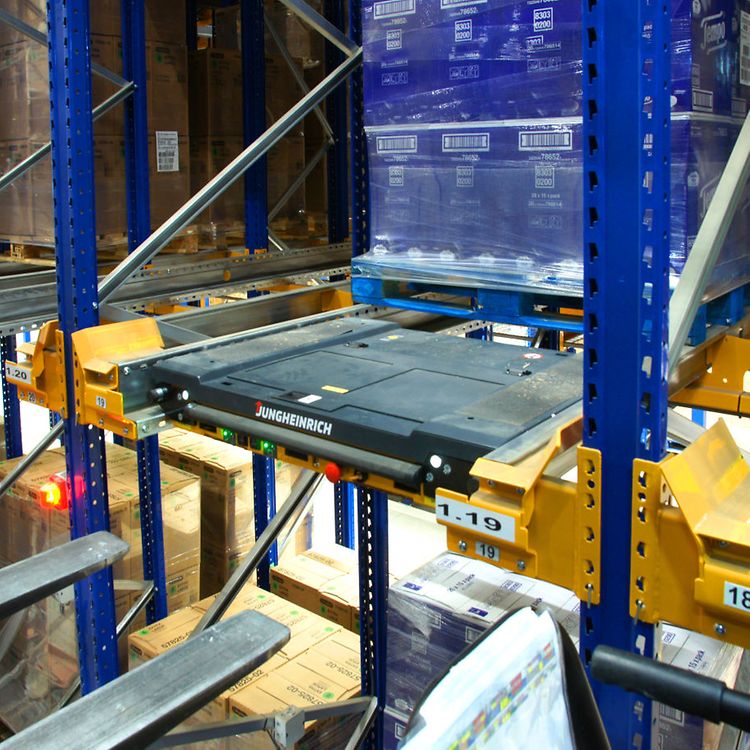
The Shuttle Racking system operates using a remote-controlled electric 'Shuttle Cart.' This shuttle runs along rails beneath the pallets to transport goods deep into the racking lanes. The forklift’s role is limited to placing pallets at the lane entrance or relocating the shuttle to a different lane. Equipped with intelligent sensors, the system ensures precise positioning and maintains safe speeds for high-accuracy operations.
Advantages of Shuttle Racking Utilizing
Limitation of Shuttle Racking Using
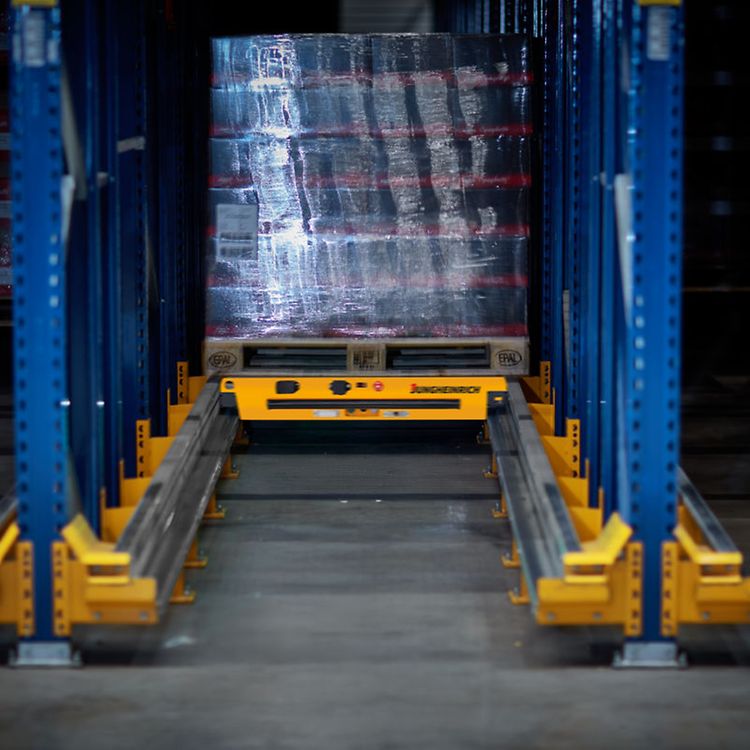
A high-grade steel racking structure designed with integrated rails for deep-lane shuttle operations.
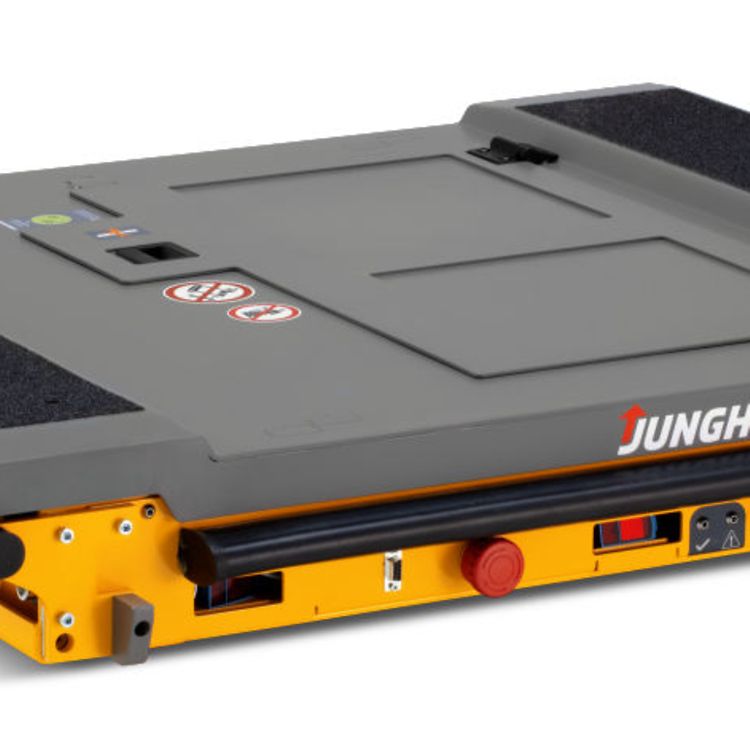
The primary battery-powered equipment used for pallet handling and movement within the racking system.
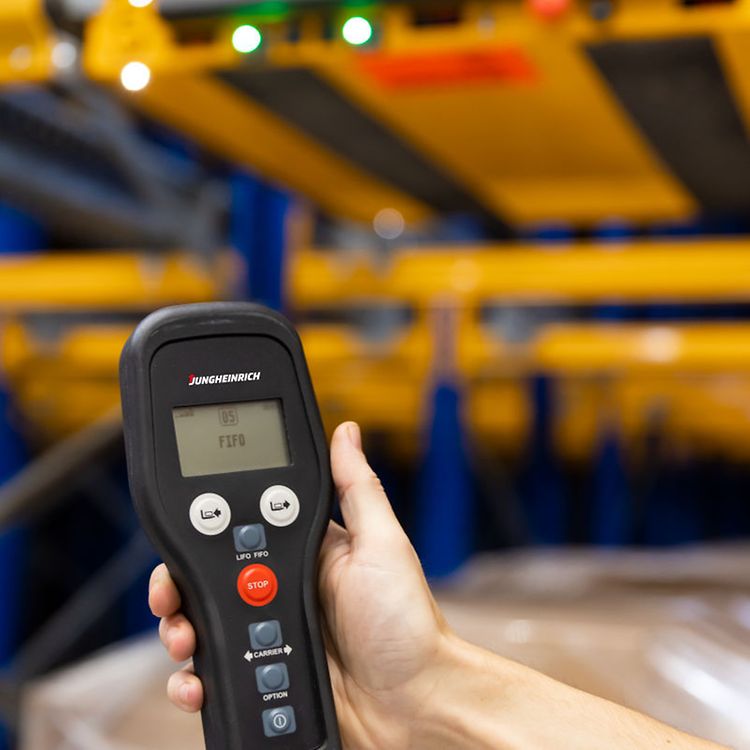
The control device used by forklift operators to manage shuttle operations.
Positioning sensors designed for precise pallet placement and collision avoidance.
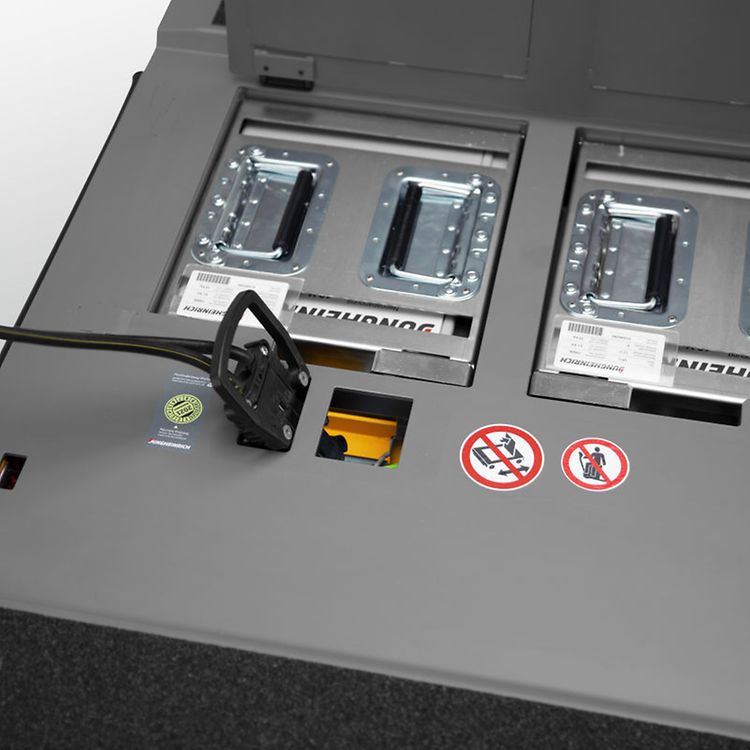
Charging station designed to ensure continuous shuttle operation and readiness.
Which industries are best suited for Shuttle Racking?
Comparing Shuttle Racking, VNA Racking, and Selective Racking
- Shuttle Racking: Focuses on high-density deep-lane storage. Forklifts do not need to enter the lanes, making it ideal for high volumes of inventory with fewer SKUs.
- VNA Racking: (Very Narrow Aisle) Optimizes vertical space and minimizes aisle width. It maintains 100% pallet accessibility while requiring specialized VNA lift trucks.
- Selective Racking: Provides immediate access to every single pallet. However, it requires the most floor space due to the need for wide forklift aisles between every row.
Conclusion: Is Shuttle Racking a Worthy Investment?
If your goal is to transform a conventional warehouse into a high-efficiency storage hub, reduce operational risks, and support future scalability, Shuttle Racking is a superior long-term investment. While the initial setup is more advanced, the gains in storage density and reduced labor costs provide a clear path to a strong Return on Investment (ROI).
If you are looking for a partner who truly understands the complexities of logistics, Jungheinrich is ready to provide comprehensive consulting and end-to-end solutions.
We don't just install racks; we deliver a complete intralogistics ecosystem where equipment and software work together seamlessly. Backed by our world-class after-sales service, we ensure your warehouse operates continuously and without interruption.
Drive your business into the era of Smart Warehousing with confidence. Contact Jungheinrich Thailand today.

Information Contact
About Products
Phone