
Safety First! How to Choose the Right Forklift Forks
Selecting the correct fork size and operating at the appropriate lift height are essential to maximizing efficiency and reducing warehouse accidents. In this article, Jungheinrich explores the best practices for ensuring peak safety and performance when using forklift forks.
What are Forklift Forks?
Forklift forks, or simply "forks," are a pair of parallel, flat metal blades extending from the front of a lift truck. They serve as the primary tool for lifting and transporting goods by sliding underneath pallets or crates. The operation of the forks is directly integrated with the forklift's mast system. While the standard forklift fork size typically ranges from 42 to 48 inches, various sizes are available to meet specific industrial requirements.
Functions of Forklift Forks
The primary function of forklift forks is to lift and transport cargo with stability and efficiency, particularly when moving palletized goods. Ensuring that the forks are of adequate length and strength is crucial for proper load distribution, which guarantees a safe and balanced lifting process.
At Jungheinrich, we believe that forklift forks are more than just simple components; they are the direct interface between the lift truck and the cargo. Therefore, selecting the correct fork size to match the weight and dimensions of the pallet is a critical factor that cannot be overlooked. This ensures smooth operations and safety in compliance with international standards.
Optimal Fork Height During Operation
To ensure that forklift operations are both efficient and safe, the fork height should be adjusted according to the following situations:
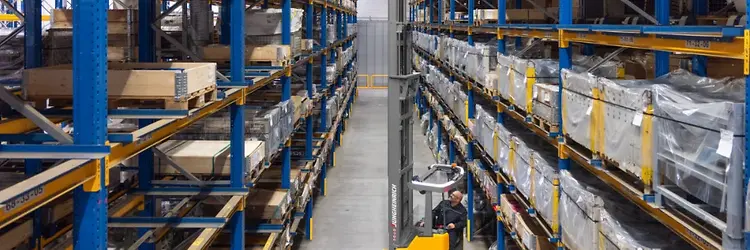
Fork Positioning for Safety and Efficiency
When Parked
When the forklift is stationary or not in use, it is recommended to lower the forks completely until they touch the ground and ensure the mast is tilted slightly forward for maximum stability.
- Safety Benefit: This prevents the forks from becoming a tripping hazard or accidentally striking pedestrians and nearby objects, significantly reducing the risk of workplace accidents.
During Travel
Whether carrying a load or driving empty, operators should maintain a ground clearance of approximately 4 to 6 inches (10–15 cm). This specific height is critical for the following reasons:
- Damage Prevention: It minimizes the risk of the forks scraping or striking uneven surfaces, floor joints, or ramps, which can lead to structural damage over time.
- Enhanced Visibility: Keeping the forks at this low "travel height" ensures the operator has a clear line of sight, making it easier to spot obstacles or personnel in the area.
High-Level Lifting
Lifting loads to or from high racking requires maximum caution. Operators must ensure the forks are securely positioned and the mast is vertical before initiating the lift.
- Stability Tip: Selecting the correct fork size relative to the load dimensions is vital to prevent the cargo from slipping or falling, especially when working at height where the center of gravity is most sensitive.
Key Factors Affecting Forklift Lift Height
The appropriate and safe lift height is not determined solely by the maximum reach of the forklift. Several critical factors must be considered together to ensure operational safety:
The Dangers of Incorrect Fork Height
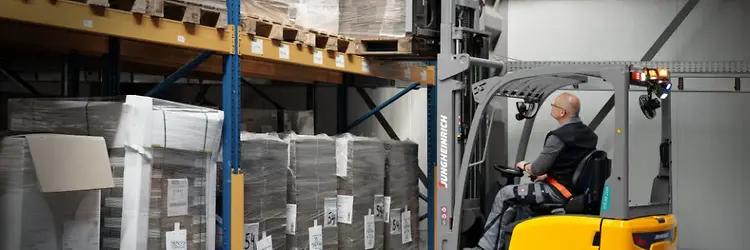
Maintaining the correct fork height is a critical safety requirement. Deviating from the recommended travel height creates significant risks:
1. Hazards of Lifting Too High While Traveling
- Obstructed Visibility: Raising the forks too high can block the operator's forward line of sight, increasing the risk of colliding with pedestrians or obstacles.
- Higher Center of Gravity: A high load significantly raises the truck’s center of gravity, making it highly susceptible to tipping or rolling over, especially when cornering or turning.
2. Hazards of Lifting Too Low While Traveling
- Surface Impact: Forks that are too low may scrape or strike uneven floor surfaces, ramps, or debris. This can cause structural damage to the forks over time.
- Sudden Jolts: Striking a floor obstruction can cause a sudden, violent jolt. This can lead to loss of vehicle control or cause the cargo to shift and fall, resulting in product damage.
Article Summary: Mastering Forklift Fork Safety
Selecting the correct forklift fork size and maintaining proper lift heights according to safety standards are the top priorities for any warehouse operation. Being mindful of these factors not only extends the service life of your equipment but also fosters a secure and professional working environment.
If you are looking for high-quality lift trucks equipped with durable, industry-standard forks, Jungheinrich offers a comprehensive range of products and services. Whether you need a high-performance forklift rental, a reliable certified pre-owned forklift, or genuine forklift spare parts and full after-sales support, we are ready to assist.
Our experts are here to provide the consultation you need to choose the perfect forklift solution that best fits your business requirements.

Information Contact
About Products
Phone