
What Is Transport? 5 Types to Match Your Business
Modern business drives on logistics. Transporting goods from source to consumer is vital. Understanding the options and picking the right mode cuts costs and boosts your competitive edge. Let’s dive in with Jungheinrich.
Logistics vs. Transportation: What Is the Difference?
While these two terms are frequently used interchangeably, they are fundamentally different. Transportation is simply a specific process nested within the larger logistics ecosystem.
- Transportation focuses entirely on the physical movement of goods from point A to point B.
- Logistics encompasses the comprehensive management of the entire supply chain. This includes everything from raw material procurement and warehouse management to inventory control, packaging, and the systematic distribution of goods to the end consumer.
5 Basic Transport Modes to Drive Your Business
Globally, transportation is classified into 5 major modes to match specific cargo characteristics and travel distances, as follows:
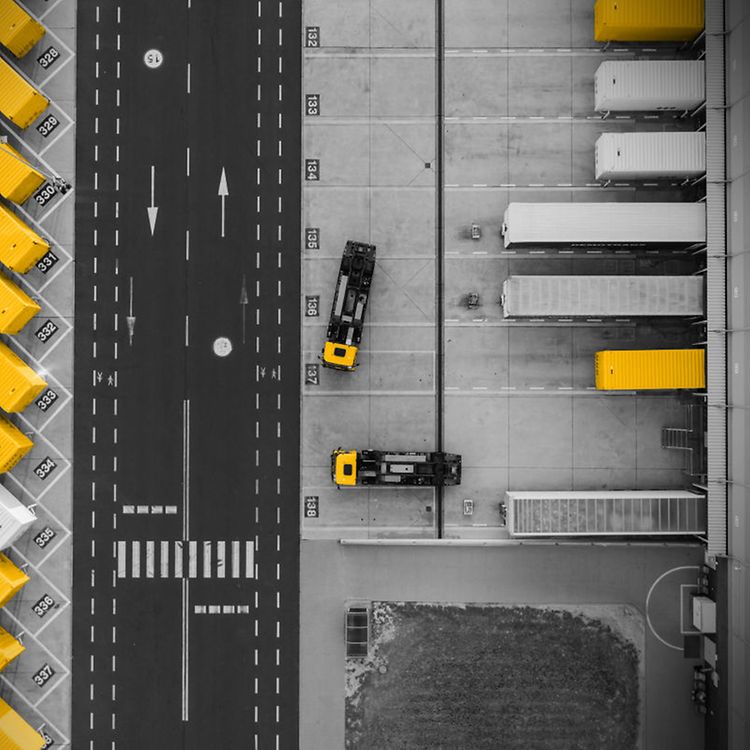
Ideal for medium-to-large domestic cargo via road or rail, providing excellent routing flexibility and clear, predictable timelines
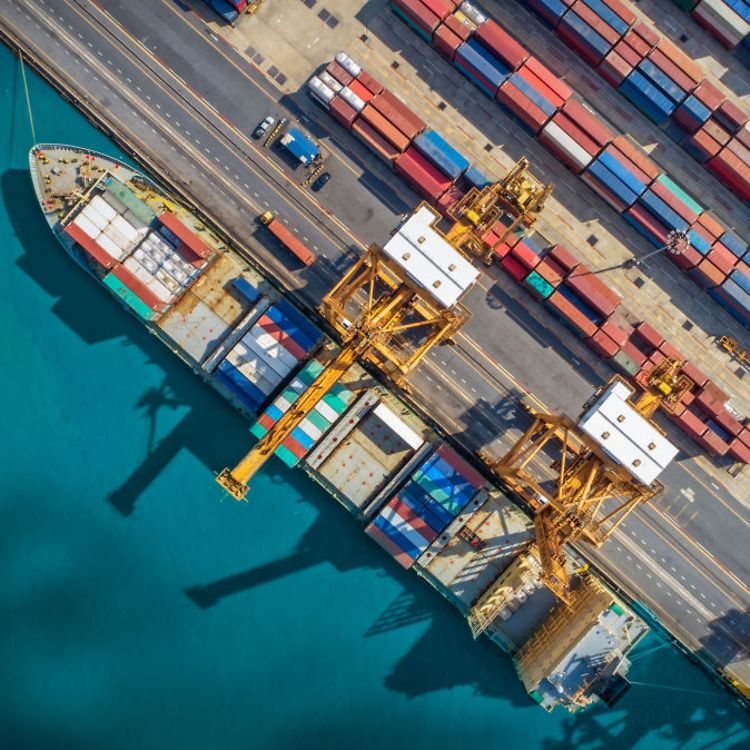
Best suited for heavy or bulk cross-border cargo via freight vessels, offering maximum cost efficiency for global trade.
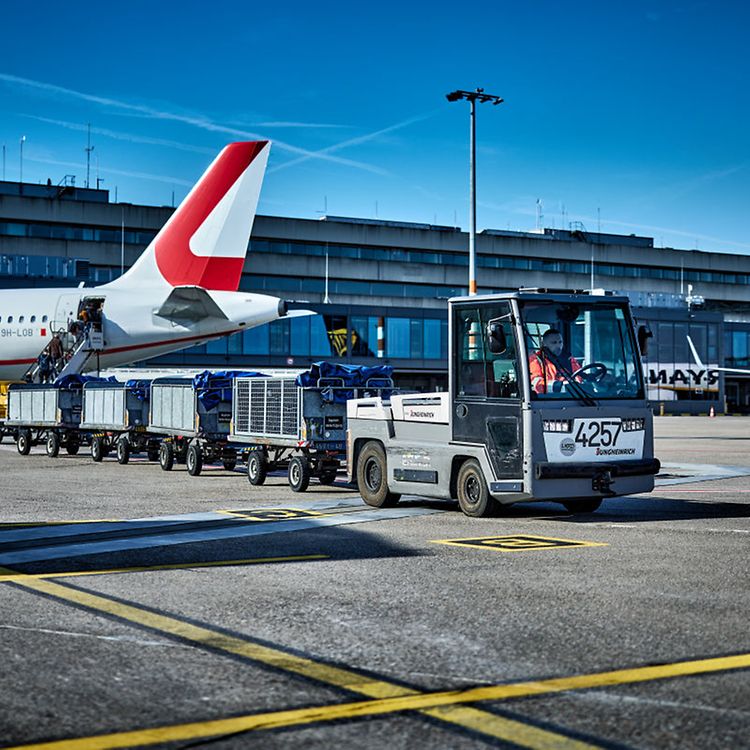
Utilizing air freight is ideal for time-sensitive, high-value, or fragile goods, though it comes with a relatively premium cost.
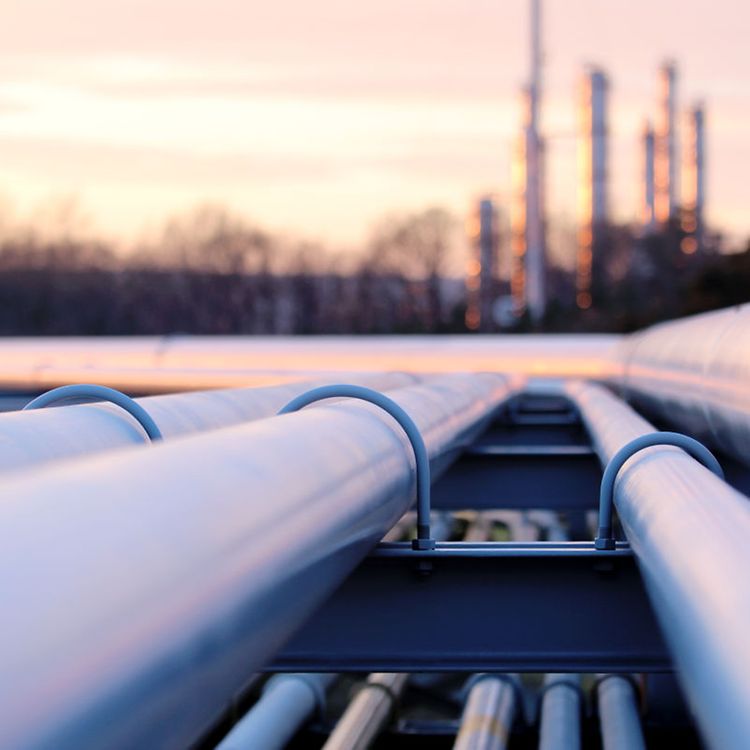
Best suited for liquids and gases via specialized pipelines; ideal for oil and natural gas, offering maximum safety and time efficiency.
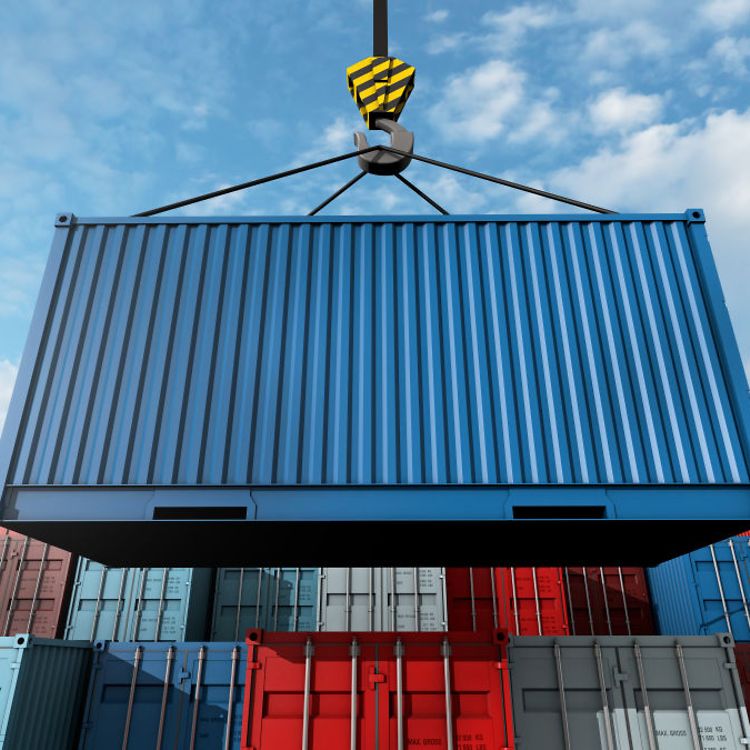
Cargo is packed into standard steel containers for seamless intermodal transfer (rail, truck, or ship) without opening, protecting products from transit damage.
Specialized Transportation Services for Business (Cold Chain & Oversized Cargo)
Beyond standard shipping, modern supply chains require specialized transportation services engineered for products that demand strict environmental control, custom handling equipment, and precise safety protocols to maintain product integrity and prevent damage during transit.
How Quality Transportation Accelerates Business Growth
A standardized, high-quality fulfillment and delivery process does far more than just ensure goods arrive safely at their destination; it acts as a strategic driver that creates a powerful ripple effect across multiple dimensions of your enterprise.
- Building Brand Credibility: On-time delivery and intact cargo foster long-term trust with B2B partners and end customers.
- Cost Efficiency & Risk Mitigation: Eliminates hidden costs associated with transit damage, product returns, or fulfillment errors.
- Operational Flexibility: Allows businesses to seamlessly adapt to seasonal demand spikes, marketing campaigns, and fluctuating order volumes.
- Long-Term Scalability: A structured transport system scales alongside your business expansion, securing stable market growth.
Strategic Fleet Management & Partnership Decisions
Outsourcing to a Third-Party Logistics (3PL) provider is ideal for businesses looking to eliminate heavy capital expenditures (CapEx) on commercial fleets, driver payrolls, and transport software. It provides instant access to advanced fleet tracking tech, expansive distribution networks, and specialized cargo handling risks, allowing your core team to focus entirely on product development and marketing.
Key Criteria for Selecting a Logistics Partner:
- Track Record & Reliability: Proven experience in B2B logistics and professional customer support.
- Service Versatility: Capable of handling diverse cargo types (General cargo, Cold Chain, or Express delivery).
- Real-Time Fleet Telematics: Advanced GPS and dashboard tracking for real-time shipment visibility.
- Proactive Problem Solving: Transparent cargo insurance claims and responsive customer care.
The Power of Fleet Management Systems (FMS):
Modern Fleet Management Systems consolidate your entire transportation data into a single pane of glass. By optimizing routes, monitoring driver behavior, and scheduling predictive maintenance, an FMS drastically reduces fuel consumption, eliminates empty backhauls, and maximizes driver safety.
Optimize Your Intralogistics: From Loading Dock to Final Destination
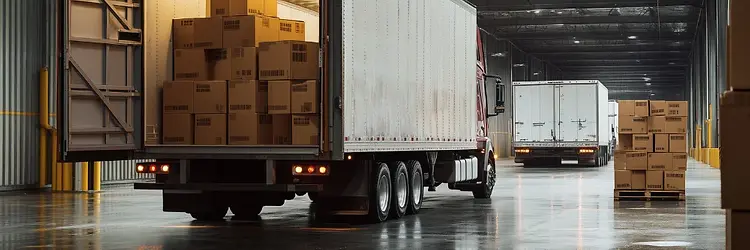
A successful logistics strategy starts long before the truck hits the road. Seamless transport relies on efficient warehouse staging, fast loading dock operations, and high-density storage systems.
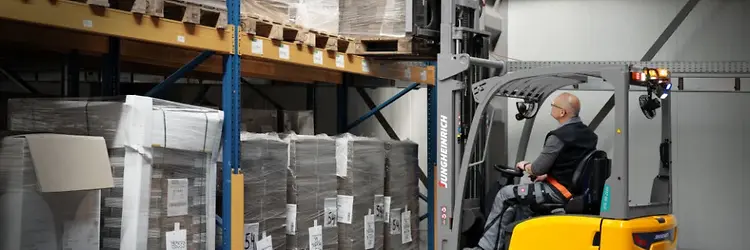
Implementing standardized heavy-duty industrial racking combined with high-precision material handling equipment—like Jungheinrich Reach Trucks or Electric Pallet Trucks—ensures that pallets are loaded onto outbound trucks rapidly, safely, and ergonomically.
Smart Business Tip: To maintain financial flexibility during seasonal peaks without committing to heavy CapEx, consider Jungheinrich’s Forklift Rental Services. It allows you to dynamically scale your fleet capacity exactly when your order volumes demand it.
Looking to Supercharge Your Warehouse Efficiency?
As the vital gear driving modern intralogistics, Jungheinrich Thailand offers end-to-end consulting, premium warehouse equipment, and customized material handling solutions designed to streamline your loading docks and boost throughput.
Contact our material handling experts today to find the perfect solution for your business.