
Forklift Hazards and Solutions: A Professional Guide to Warehouse Safety
Jungheinrich drives warehouse efficiency. While lift trucks accelerate material handling, overlooked forklift hazards can compromise workplace safety. Protect your team and inventory by implementing automated curve control, pedestrian laser lights, and high-performance Lithium-ion power.
Why Forklift Accident Prevention Must Be a Top Priority
A forklift is a heavy industrial vehicle operating at high power and velocity. When a forklift accident occurs, the fallout extends far beyond damaged equipment or ruined merchandise; it frequently results in severe, life-altering injuries or fatalities for warehouse personnel.
Furthermore, these incidents trigger staggering hidden costs, including skyrocketing medical expenses, legal compensation, catastrophic operational downtime, and severe damage to corporate reputation. Recognizing these risks and implementing proactive safety measures early on is the only viable strategy to safeguard human lives and eliminate financial leaks.
The Top 5 Fatal Forklift Hazards in Warehousing
The vast majority of fatal warehouse incidents stem from a recurring set of foundational risks. By identifying and thoroughly understanding these root causes, warehouse managers and operators can implement effective preventative controls.
1. Dangerous Lift Heights and Overloading (Falling Load Hazards)
Attempting to maximize throughput by stacking loads beyond designated height limits alters the vehicle’s center of gravity and severely obstructs the operator's forward visibility. In the event of sudden braking or encountering uneven flooring, the unstable load can slide or fall, posing fatal crushing hazards to the operator or nearby pedestrians.
2. Excessive Speeding and Improper Load Balancing (Tip-Over Risks)
Industrial lift trucks are not engineered for high-speed cornering. Executing sharp turns at elevated speeds or transporting off-center, poorly balanced loads destabilizes the forklift’s stability triangle. This causes the vehicle to overturn, which remains the leading cause of forklift-related fatalities worldwide.
3. Obstructed Operator Visibility and Blind Spots (Pedestrian Collisions)
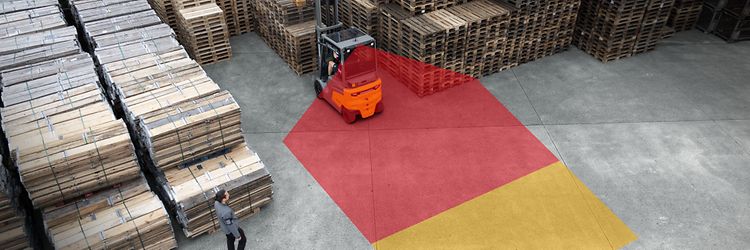
The structural design of the forklift mast, combined with bulky palleted loads, creates critical blind spots for the driver. Because modern electric forklifts operate with near-silent acoustic profiles, the absence of active warning systems or strict pedestrian segregation lanes significantly increases the likelihood of catastrophic pedestrian collisions.
4. Hazardous Working Environments (Poor Lighting, Grades, and Surfaces)
Substandard warehouse environments act as catalysts for severe accidents. Operating in poorly lit zones hides low-visibility obstacles, while oil slicks or moisture on the floor compromise tire traction. Additionally, failing to utilize correct mechanical techniques when driving on ramps and steep inclines can cause a total loss of vehicle control.
5. Neglected Maintenance and Component Failure
Operating a compromised vehicle—such as one with worn brake pads, bald tires, or hydraulic fluid leaks—invites disaster. Neglecting to enforce strict pre-operation forklift checklists is a critical operational failure that transforms minor mechanical wear into catastrophic equipment failure on the warehouse floor.
High-Risk Driving Behaviors That Lead to Warehouse Accidents
Despite completing safety certification programs, operator complacency often leads to a disregard for strict regulations and the adoption of these dangerous driving habits:
- Excessive Speeding in Confined Spaces: Driving too fast in narrow aisles or high-traffic zones, leaving zero braking distance.
- Driving with Elevated Forks: Traveling while the mast and forks are raised higher than necessary, severely increasing tip-over risks and building collisions.
- Operating Without Seatbelts: Failing to fasten seatbelts during shifts—the most critical factor in preventing operator crushing injuries during a tip-over.
- Unauthorized Passengers and Load Riding: Allowing coworkers to ride along on the forklift body or stand on the forks to lift them manually.
- Neglecting Audible Warnings: Failing to honk the horn or provide signals when approaching high-risk intersections or blind corners.
How to Implement Professional Forklift Risk Management Strategies
Establishing a gold-standard safety ecosystem requires an integrated and airtight infrastructure. Organizations must prioritize the following active controls:
- Strategic Traffic Management: Designing a clear layout with permanent floor markings to strictly segregate forklift traffic lanes from dedicated pedestrian walkways.
- Visual Controls: Installing heavy-duty safety barriers, clear warning signage, and tactical convex mirrors at every critical intersection.
- Advanced Smart Technology Integration: Deploying proximity sensors and cutting-edge AI Camera Protection or Forklift Anti-Collision Systems that actively detect obstacles and automatically slow the vehicle down in high-risk zones.
- Enforcing Access Control Systems: Utilizing smart telemetry systems—like Jungheinrich's Easy Access digital identity verification—to ensure that only certified, authorized personnel can unlock and operate the equipment.
The 10 Rules for Forklift Operation Safety
To ensure all operations comply with global safety standards, operators must strictly adhere to these fundamental rules:
- Mandate Pre-Shift Inspections: Thoroughly check the vehicle’s mechanical condition before starting every shift.
- Wear Required Safety Gear: Always fasten the seatbelt and wear designated Personal Protective Equipment (PPE).
- Optimize Fork Adjustment: Adjust the fork width properly according to the pallet size to ensure even weight distribution.
- Reduce Speed at Intersections: Always decelerate when approaching sharp turns, blind corners, or intersections.
- Maintain Safe Following Distance: Keep a compliant and safe distance from other vehicles to prevent rear-end collisions.
- Strictly Respect Load Capacities: Never exceed the maximum Load Capacity specified on the truck’s rating plate.
- Drive in Reverse for Bulky Loads: Travel in reverse if a large or oversized load completely obstructs forward visibility.
- Utilize Active Warning Signals: Always engage audible horns and flashing strobe lights when reversing.
- Secure the Truck When Parking: When stopping, always lower the forks flat to the floor, neutralize the controls, and engage the parking brake.
- Utilize Designated Parking Zones: Park only in authorized areas; never block emergency exits, fire extinguishers, or walkways.
Why Certified Training is the Key to Preventing Workplace Accidents
Statistics prove that the vast majority of forklift-related accidents are entirely preventable through proper instructional programs. Comprehensive forklift operator training provides more than just basic vehicle maneuvering skills—it cultivates a deep-rooted safety culture.
Professional training empowers operators to proactively assess on-site risks, understand the physical limitations of their equipment, and master emergency response protocols. A systematically trained workforce operates with maximum confidence, driving down accident rates and protecting your bottom line.
Emergency Protocol: What to Do Immediately During a Forklift Tip-Over
When a forklift begins to overturn, human instinct often drives operators to jump clear of the vehicle. This is a fatal mistake and the leading cause of crushing injuries, as the falling guard or mast usually traps the operator. If your forklift is tipping over, you must immediately execute the following survival steps:
- NEVER attempt to jump out of the vehicle.
- Hold onto the steering wheel firmly and brace yourself securely within the cabin.
- Plant your feet firmly on the floorboard to wedge your body tightly against the seatback.
- Lean away from the direction of the overturn (lean in the opposite direction of the impact).
Conclusion: Elevate Warehouse Safety with Jungheinrich
Recognizing critical forklift hazards and strictly enforcing rigorous safety measures serves as the ultimate shield for protecting human lives and safeguarding corporate assets.
Jungheinrich is dedicated to pioneering warehouse safety across Thailand. We offer a premier fleet of forklifts and reach trucks engineered with gold-standard, proactive safety technologies, alongside comprehensive forklift rental services that undergo meticulous, preventative maintenance schedules.
Contact Jungheinrich Thailand today to consult with our experts and discover safe, high-efficiency material handling solutions tailored to your business operations.